
Logo
Get Estimate

Attic Mold Remediation in South Carolina for a Dry, Clean Attic

Find the moisture source and stop mold from returning.


Attic Mold Remediation in South Carolina helps homeowners dealing with visible growth, musty odors, roof leaks, or damp insulation. We inspect the attic, identify moisture pathways, contain affected areas, and clean or remove contaminated materials based on their condition. Our South Carolina attic mold remediation service is designed for homes across the state, from humid coastal communities to cooler inland areas, with practical steps to protect your roof structure and indoor air.

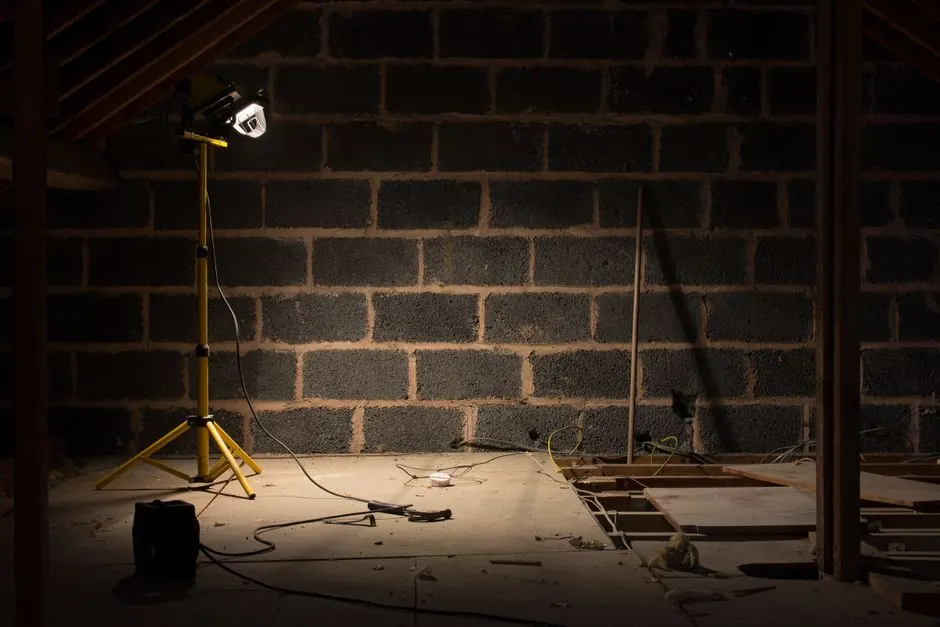
A dimly lit attic space under renovation with a construction lamp illuminating the scene.
Licensed Licensed & Bonded
Fully Insured Insured & Bonded
24/7 Emergency Same-Day Response
Warranty Backed Workmanship Guaranteed

What Attic Mold Remediation Includes

Attic remediation includes inspection of accessible framing, sheathing, vents, insulation, and nearby HVAC components; containment; cleaning or removal of affected materials; and a review of moisture conditions. We explain what is included in the attic work and identify building repairs, such as roof or exhaust corrections, as separate follow-up tasks when needed. You get a clear account of the treatment area and practical steps to keep it dry.

Attic moisture assessment

We inspect visible surfaces and check suspect materials with a moisture meter. The assessment looks for roof leaks, condensation, exhaust discharge, and blocked ventilation. We record the locations that guide the remediation plan, rather than relying on a single visual impression.


Work-area containment

We isolate the affected area with polyethylene containment sheeting and control airflow with filtration equipment where appropriate. The protected access route helps limit dust movement into finished rooms. We keep the work zone focused on the materials that need attention.

Surface cleaning and removal

We clean sound framing and sheathing using methods appropriate to the material, then remove insulation or other porous items that cannot be reliably cleaned. HEPA-filtered vacuuming captures fine debris during work. The decision is based on material condition and contamination, not an automatic full-attic tear-out.

Drying and moisture guidance

We check whether moisture remains after cleaning and explain what is needed to stabilize the attic. Guidance may cover roof repair, fan exhaust routing, ventilation, or dehumidification. You leave with specific observations and monitoring steps, not a generic instruction to keep the area dry.

Attic Mold Remediation in South Carolina: What It Covers


Attic Mold Remediation in South Carolina is a building restoration service that removes mold growth from attic surfaces and addresses the moisture conditions that allow it to develop. We inspect roof sheathing, rafters, insulation, vents, and nearby HVAC components, then set containment before cleaning or removing affected materials. A moisture meter helps us check wood and insulation, while a HEPA-filtered vacuum captures settled particles. The work is not simply spraying a stain: we trace the source, clean salvageable surfaces, and plan for drying and ventilation so the attic can return to a stable condition.

South Carolina homes face long humid periods, wind-driven rain, roof leaks, and temperature swings that encourage condensation beneath roofing. Coastal salt air and frequent summer storms bring different pressures than shaded inland rooflines, while blocked soffit vents and bathroom fans terminating in an attic create trouble statewide. Our attic mold removal services in South Carolina address conditions such as attic mold from roof leaks and condensation on HVAC components. If you need attic mold removal after roof leak in South Carolina, we first verify whether the roof is dry and the leak has stopped.

What to Expect During the Work

Attic mold cleanup in South Carolina follows a controlled sequence: inspect, isolate, remove or clean affected materials, dry the space, and verify the work area. We explain each stage before starting so you know what we are doing above your ceiling and what access we need from you.

01

Schedule

Call or book online — a real human picks up and confirms a 2-hour arrival window.

02

Diagnose

Licensed tech inspects on-site, then walks you through the cause and your options.

03

Fix

The job is completed to code and done right the first time — no shortcuts, no surprises.

04

Guarantee

Every job backed by a written workmanship warranty — and we stand behind it.

Tools and Remediation Methods

Tools & Equipment

FLIR thermal imaging camera

We use thermal patterns to identify areas that may need closer inspection, such as suspected damp roof sections or temperature differences near ventilation paths. Imaging guides the investigation; it does not replace direct moisture readings.

Tramex moisture meter

A moisture meter checks wood and other suitable materials at multiple locations. Comparing readings helps us map damp areas, confirm drying progress, and avoid treating dry surfaces as if they were actively wet.

HEPA air scrubber

The air scrubber filters airborne particles during disturbance and cleanup. Used with containment, it helps keep the work area controlled while we clean framing or remove contaminated insulation.

Dri-Eaz dehumidifier

A dehumidifier supports drying when attic materials or the contained work zone retain moisture. We use readings to guide operation and check progress rather than running equipment for an arbitrary period.

Protimeter moisture meter

Protimeter readings help assess moisture in accessible building materials and compare conditions across the attic. We interpret readings with the material type, temperature, and visible evidence in mind.

Methods & Standards

ANSI/IICRC S520 work practices

We use the ANSI/IICRC S520 Standard for Professional Mold Remediation to guide containment, removal, cleaning, and post-work review. The plan reflects the size and condition of the affected area, the materials involved, and whether occupants or nearby rooms need additional protection.

Source-first moisture investigation

We inspect roof details, ventilation, exhaust ducts, and mechanical components before choosing a cleaning method. Finding the source matters because mold growth follows moisture. Once the cause is understood, we can separate remediation work from the building repair needed to keep the attic dry.

HEPA-controlled cleaning

We use HEPA filtration and suitable vacuuming during surface cleaning and debris removal. Porous materials that cannot be reliably cleaned are removed in controlled packaging, while sound framing is cleaned according to its condition. We finish by checking the work zone and explaining remaining moisture corrections.

When to Call an Attic Remediation Team

01

A ceiling stain appears after a fall storm, and you find damp insulation directly above it.

What we do: We inspect the roof deck and framing around the stain, check moisture levels, and determine whether the leak is active. Once the water entry is corrected, we contain the attic area, remove contaminated insulation, and clean sound wood surfaces. We also check nearby rafters for spread beyond the obvious stain.

→ You learn whether the damage is localized or extends farther along the roofline, with a cleanup plan tied to the leak repair.

02

A musty smell returns each summer despite cleaning visible attic patches the previous winter.

What we do: We look for high indoor humidity, blocked soffit airflow, fan exhaust in the attic, and condensation on HVAC components. After identifying the source, we clean or remove affected materials under containment and explain the ventilation or moisture correction needed to stop repeat dampness.

→ You get a source-based correction plan instead of another temporary surface treatment, with specific areas to recheck during humid weather.

03

A buyer or homeowner finds dark growth on roof sheathing during an attic inspection.

What we do: We assess the visible growth, wood condition, insulation, and likely moisture history. A thermal imaging camera can help identify temperature patterns that warrant closer inspection, while direct moisture readings guide the remediation scope. We explain whether cleaning, removal, or further building repair is appropriate.

→ You receive a clearer account of the affected attic materials and the practical work needed before the space is used for storage or left closed.

How Attic Remediation Works Across South Carolina

South Carolina's weather creates different attic problems across the state. Coastal homes around Bluffton and Garden City face long humid periods, wind-driven rain, and salt-air exposure; homes farther inland still deal with summer humidity, storm leaks, and winter condensation when warm indoor air reaches cold roof sheathing. We inspect the actual roof assembly, ventilation openings, insulation, and fan ducts rather than assuming one regional fix works everywhere. In older homes, limited access and settled insulation can hide growth beyond the attic hatch. In newer homes, tight construction can trap moisture when exhaust fans or air pathways are poorly managed. For attic mold removal services in South Carolina, our crew plans containment around access, checks moisture at several points, and coordinates drying with any needed roof or ventilation repair. We follow applicable safety and remediation practices, including ANSI/IICRC S520 guidance. When you call, tell us about recent leaks, ceiling stains, or musty odors; those details help focus the inspection and protect the rooms below.

Neighborhoods We Serve

  • Bluffton area homes

    High humidity and wind-driven rain can expose roof details and attic ventilation weaknesses. We inspect sheathing and insulation for moisture patterns before choosing a cleaning scope.

  • Columbia-area neighborhoods

    Hot, humid summers and sudden storms can combine with blocked ventilation or bathroom exhaust problems. We check fan routing and attic airflow alongside visible growth.

  • Upstate communities

    Cooler winter nights can bring condensation where indoor air reaches cold roof sheathing. We look for air leaks and damp roof surfaces as well as roof entry.

Local Conditions We Plan For

  • Coastal humidity and wind-driven rain affecting attic materials

    Repeated humid periods can slow drying, while storms push water through vulnerable roof details. We check for active entry and avoid closing the work area before damp materials have been addressed.

  • Warm indoor air meeting cooler roof sheathing in winter

    Condensation can create localized dampness even without a missing shingle. We inspect ventilation and air pathways, then explain which corrections will reduce moisture reaching the roof deck.

  • Bathroom or laundry exhaust terminating in an attic

    Moist exhaust adds water vapor directly above the ceiling and can create recurring growth on nearby sheathing. We identify the discharge route and include correcting it in the moisture-control plan.

Roof Leak Cleanup in Bluffton

Before

A roof leak left a broad damp patch on the sheathing and stained insulation above an upstairs bedroom. The homeowner noticed a musty odor after rainy weather, but the roof entry point was not obvious from inside. Moisture readings showed several affected sections, so cleaning only the darkest patch would have left damp material nearby.

After

After the roof leak was repaired, we contained the affected area, removed compromised insulation, and cleaned sound framing and sheathing. The work zone covered about 85 square feet, and follow-up readings showed the checked wood had returned to a dry condition. The bedroom ceiling remained intact because the attic materials could be accessed from above.

Maintenance: Check the roof area after heavy rain and keep a record of any new ceiling stains. Recheck the attic in 2 to 4 weeks, especially around the repaired detail and the insulation edge.

Before

A bathroom fan discharged warm air into a poorly ventilated attic. Growth appeared around the duct outlet and on adjacent roof sheathing, with odor strongest after showers. The framing was sound, but insulation near the outlet had become contaminated and airflow through the soffit openings was restricted.

After

We isolated the work area, removed affected insulation, and cleaned approximately 40 square feet of sheathing and framing. The exhaust route was corrected to discharge outdoors, and the attic was reviewed after drying. The visible growth was removed, and the source of repeated moisture was no longer feeding the same roof section.

Maintenance: Run the bathroom fan during showers and for 20 minutes afterward. Keep soffit openings clear, and inspect the repaired duct connection each spring for loose joints or condensation.

Before

Winter condensation left scattered damp marks across roof sheathing near the attic hatch. The owner had not found a roof leak, but indoor air was moving through gaps around the access opening and nearby ceiling penetrations. Damp insulation hid part of the affected area.

After

We mapped the damp sections, sealed the work zone, and cleaned sound framing while removing contaminated insulation from a 60-square-foot area. Air leakage paths were identified for correction, and moisture checks documented the drying progress. The attic was left with a clear list of access and ventilation improvements.

Maintenance: Keep the attic hatch sealed and check it after cold weather. Review insulation and ventilation each fall, and investigate any new frost, damp spots, or musty odor promptly.

Solve Attic Mold and Moisture Problems

Attic mold can signal a roof leak, ventilation failure, or humid air entering a cold roof space. We identify the condition behind the growth and plan cleanup around your roof materials, insulation, and access. Correcting that source is central to attic mold remediation and moisture control South Carolina homeowners need.

Problem

Mold spreading across roof sheathing after repeated storm leaks

Persistent water entry can soften sheathing, stain ceilings, and contaminate insulation. Delayed repairs allow damp materials to remain hidden above finished rooms.

Our Fix

We trace the affected area and check adjacent wood for moisture before cleaning. If roof entry is active, we explain the repair needed to stop water first. We then isolate the work zone, clean sound sheathing, and remove damaged porous materials so the attic can dry without leaving contaminated insulation in place.

Problem

Musty odor linked to a bathroom fan venting into the attic

Warm, moist exhaust can condense on cooler roof surfaces and feed growth even when the roof has no leak. The odor may drift into closets and upper rooms.

Our Fix

We inspect the fan duct, roof deck, and nearby insulation to locate condensation patterns. Our team contains and cleans affected surfaces, removes unsalvageable insulation, and identifies where the fan must discharge outdoors. Correcting the exhaust route helps prevent the same moisture load from returning.

Problem

Recurring mold after a quick surface treatment

Growth can reappear when damp wood, hidden contamination, or the original moisture source remains. Repeated cleaning without assessment can waste time and leave the underlying building issue unresolved.

Our Fix

We reassess moisture conditions, inspect beyond the visible stain, and determine whether the material is cleanable or needs removal. Containment and HEPA filtration control disturbance while we address the affected area. We also review ventilation and roof conditions, giving you measurable checks for follow-up.

Practical Outcomes for Your Home

Practical Outcomes for Your Home

Attic mold work should leave you with more than a cleaner-looking roof deck. We connect each cleaning step to a moisture finding, document affected materials, and explain what needs repair or monitoring. You get a defined work area, controlled debris handling, and a plan to reduce the chance of recurring mold after cleanup.

  • Moisture source identified

    We check for roof entry, plumbing leaks, poor exhaust routing, and condensation before cleaning begins. A hygrometer records attic conditions, and readings from a moisture meter help distinguish damp sheathing from dry wood. You receive a clear explanation of what is feeding the growth, so the underlying issue is addressed rather than covered up.

  • Cleaner attic surfaces

    Our technicians isolate the work zone and use HEPA-filtered equipment to remove settled debris from accessible framing and sheathing. For a contained area of roughly 100 square feet, the cleaning plan can address specific surfaces without disturbing unaffected parts of the attic. Your insulation is assessed separately because mold-contaminated porous materials may not be salvageable.

  • Reduced spread during work

    Polyethylene containment sheeting and negative air control help keep disturbed particles from moving into living areas. We maintain a controlled route for equipment and bagged debris, then clean the work zone before removing barriers. This is especially useful when attic access opens into a hallway closet or finished second-floor room.

  • A plan to prevent return

    We explain ventilation, roof repairs, exhaust routing, and humidity control based on the conditions we find. Your follow-up checklist can include checking bathroom fan discharge, clearing soffit airflow, and rechecking the attic after heavy rain. Those practical corrections reduce the chance that visible mold returns on the same rafters.

Standards and Work Proof

Licensed & Certified

  • IICRC Applied Microbial Remediation Technician — issued by Institute of Inspection, Cleaning and Restoration Certification
  • IICRC Water Damage Restoration Technician — issued by Institute of Inspection, Cleaning and Restoration Certification
  • ACAC Council-certified Indoor Environmentalist — issued by American Council for Accredited Certification
  • EPA Renovation, Repair and Painting certification — issued by U.S. Environmental Protection Agency

Verified Reviews

Google ★★★★★4.9

After a roof leak, the crew showed us the damp sheathing and explained why the insulation had to come out. They contained the attic access, cleaned the framing, and checked moisture again before wrapping up. We knew what had been done and what roof repair still mattered.

Yelp ★★★★★4.8

Our attic smelled musty after humid weather. The team found a bathroom fan venting into the attic and showed us the affected area. They removed the damaged insulation and cleaned the roof deck without turning the whole attic into a construction site.

BBB A

We called about dark growth near the attic hatch. The inspection included moisture readings and a check of the vents, not just a quick look at the stain. The crew kept the work area controlled and gave us straightforward follow-up steps for checking the attic after rain.

Training and Field Method

Attic remediation requires controlled work around insulation, roof framing, wiring, and ventilation, not just surface cleaning. Our approach follows the ANSI/IICRC S520 Standard for Professional Mold Remediation and applicable safety practices, with attention to the moisture source as well as visible growth. We use personal protective equipment, containment, filtration, and documented moisture checks suited to the work area. We do not claim a fixed number of years or completed jobs; instead, we explain the evidence we find in your attic and the steps needed to correct it.

  • Technicians apply IICRC Applied Microbial Remediation Technician principles when planning containment, cleaning, and removal.
  • IICRC Water Damage Restoration Technician practices inform drying decisions after roof leaks and other water intrusion.
  • We use moisture readings and visual inspection together instead of treating a single reading as a diagnosis.
  • EPA mold guidance helps shape practical communication about mold, moisture, and cleanup in occupied homes.
  • Our work practices account for OSHA respiratory protection requirements and task-appropriate protective equipment.
Get Started Today
Training and Field Method

Cities We Serve Across South Carolina

Our statewide coverage brings attic assessment and cleanup to coastal, inland, and Upstate communities. We coordinate access, containment, and moisture checks around each home's roof design and the weather conditions affecting it. Our attic mold cleanup company South Carolina homeowners call works in established neighborhoods, newer developments, and rural properties, with the same focus on finding the source before cleaning. These city pages link you to local service details without limiting coverage to one metro area.

Mauldin

In Mauldin, we inspect attic ventilation and roof sheathing after summer humidity or storm leaks, then contain the affected area and clean or remove materials according to condition.

Bluffton

For Bluffton homes, our inspection accounts for humid coastal air and wind-driven rain. We trace moisture, protect the access route, and target cleanup to affected roof bays.

Taylors

In Taylors, winter condensation and roof leaks can leave hidden dampness above finished rooms. We check sheathing and insulation before selecting a focused remediation plan.

Berea

Berea service includes checking roof details, exhaust ducts, and attic airflow when a musty smell or ceiling stain points upward. We use moisture findings to guide the work.

Tega Cay

In Tega Cay, we assess roof sheathing and ventilation after storms or repeated humidity. Containment and controlled material removal help protect finished rooms below the attic.

Garden City

Garden City homes can face prolonged humid conditions and storm-driven roof moisture. We inspect the source, clean sound framing, and remove porous materials that cannot be cleaned.

Litchfield Beach

At Litchfield Beach, our attic checks consider coastal humidity, rain exposure, and ventilation. We document damp areas and coordinate remediation with any needed roof correction.

Union

For Union properties, we investigate leaks, condensation, and blocked airflow before disturbing attic materials. The cleanup plan reflects the affected area and the condition of insulation.

Burton

In Burton, we focus on moisture pathways that can affect roof framing and insulation, including rain entry and humid air. We contain work zones and explain practical prevention steps.

Walterboro

Walterboro attic service includes checking for storm-related leaks and moisture held in insulation. We use readings to map the affected section and verify drying after cleanup.

Baxter Village

In Baxter Village, we inspect roof decks, exhaust routing, and attic access around finished homes. Our crew keeps cleanup contained and explains which materials can remain.

Williamston

Williamston homeowners can call after a ceiling stain, musty odor, or visible attic growth. We locate the moisture source and clean or remove affected materials under controlled conditions.

Honea Path

For Honea Path homes, we assess roof leaks and ventilation conditions before treatment. Moisture readings help distinguish dry staining from active dampness that needs correction.

Liberty

In Liberty, we tailor attic remediation to the roof assembly, access, and extent of growth. We protect the route through the home and provide clear follow-up checks.

Lesslie

Lesslie service covers attic inspections after storms, plumbing leaks, or recurring odors. We check adjacent roof bays, control debris, and address the moisture source behind growth.

Attic Mold Questions, Answered

Real answers to the questions we hear most often from local homeowners and property managers.

How much does attic mold remediation cost in South Carolina?
Attic mold remediation in South Carolina commonly costs $1,500 to $6,500 for contained residential projects, depending on area and materials. Small surface-cleaning jobs can cost less, while extensive insulation removal, difficult access, or repair work can raise the total. The 2026 price depends on the moisture source, containment needs, disposal, and drying time. We inspect the attic and explain the cost drivers before work begins; pricing is upfront.
What causes mold to grow in an attic?
Mold grows when moisture remains on attic materials, often from roof leaks, humid air, or condensation. Bathroom or kitchen exhaust discharged into the attic, blocked soffit vents, and air leaks from living space can add moisture even when shingles look sound. We check for water intrusion and ventilation imbalance, then use moisture readings to locate damp areas. Cleaning without correcting the source leaves a route for mold to return.
Can attic mold be removed without replacing the roof?
Yes, attic mold can often be removed without replacing the roof if the roofing system is sound and the leak is repaired. We inspect the sheathing and framing, then clean materials that remain structurally intact and remove porous insulation that cannot be effectively cleaned. If rot, damaged decking, or ongoing water entry is present, roofing repairs are needed before the attic can stay dry. A surface stain alone does not prove roof replacement is necessary.
Who should I hire for attic mold removal in South Carolina?
Hire a remediation contractor trained in containment, moisture assessment, and safe removal, with methods consistent with ANSI/IICRC S520. Ask how the contractor will identify the moisture source, protect occupied rooms, and decide whether insulation can be cleaned or must be removed. Our technicians explain those steps before starting and use HEPA filtration, protective equipment, and documented readings. For attic mold inspection and remediation services South Carolina homeowners need, call +18038120162.

Related Home Restoration Services

Mold Remediation

Mold remediation addresses growth in other parts of your home when attic findings point to a broader moisture problem. We can inspect connected rooms, wall cavities, or storage areas and coordinate containment so the cleanup plan accounts for the full affected area.

View Mold Remediation

Mold Inspection and Assessment

An inspection helps identify visible growth, moisture pathways, and materials needing further evaluation before remediation begins. We check attic framing, insulation, vents, and adjacent ceilings, then explain whether the issue appears localized or connected to another building condition.

View Mold Inspection and Assessment

Mold Testing and Sampling

Sampling can help answer a specific question about suspected mold when visual inspection alone is insufficient. We discuss the purpose and limits of air or surface sampling, and use results alongside moisture findings rather than treating a lab result as a substitute for fixing leaks.

View Mold Testing and Sampling

Black Mold Removal

Dark-colored growth in an attic is not identified by color alone. We assess the affected surface, contain the work area, and select removal or cleaning methods based on material condition and moisture history. The same careful controls apply whether growth appears dark, light, or patchy.

View Black Mold Removal

Residential Mold Removal

Residential mold removal connects attic cleanup with related conditions in bedrooms, closets, or other living spaces. If a roof leak has affected ceiling drywall or stored belongings, we assess those materials separately and protect the household during work.

View Residential Mold Removal

Commercial Mold Remediation

Commercial attic or roof-cavity problems can affect offices, retail spaces, and shared buildings. We plan access, containment, and work sequencing around occupied areas and building operations, while documenting affected materials and moisture conditions for property decision-makers.

View Commercial Mold Remediation

Get Attic Mold Remediation Moving

If you see growth, smell mustiness, or find damp insulation, we can inspect the attic and explain the next step. Our team uses moisture checks and controlled cleanup methods. Call +18038120162 to schedule service across South Carolina.

Call Our Team Schedule Service

Talk With Our Team

Call us at +18038120162 to discuss visible mold, water intrusion, or a musty smell in your home or business. We take calls around the clock for urgent water-related concerns and arrange service across South Carolina. Tell us what happened, which rooms are affected, and whether the leak is still active so we can help you plan the next step.

Or call us right now at +18038120162 — we answer.

South Carolina Mold Remediation


  • Phone

    +18038120162
  • Address

    South Carolina

  • Hours

    Mon–Fri: 7AM – 7PM
    Sat: 8AM – 4PM
    Sun: Emergency Only
    24/7 Emergency Available

Call +18038120162 Get Quote
Call Quote