
Logo
Get Estimate

Residential Mold Removal in South Carolina for a Healthier Home

We remove mold and address the moisture behind it.


Residential Mold Removal in South Carolina helps homeowners address visible mold, musty odors, and hidden growth after leaks or prolonged humidity. Our team identifies affected materials, contains the work area, removes contamination, and corrects the moisture conditions that let it spread. If you have a damp crawl space, a roof leak, or recurring spots on a wall, we plan home mold remediation in South Carolina around your home and the source of the problem.

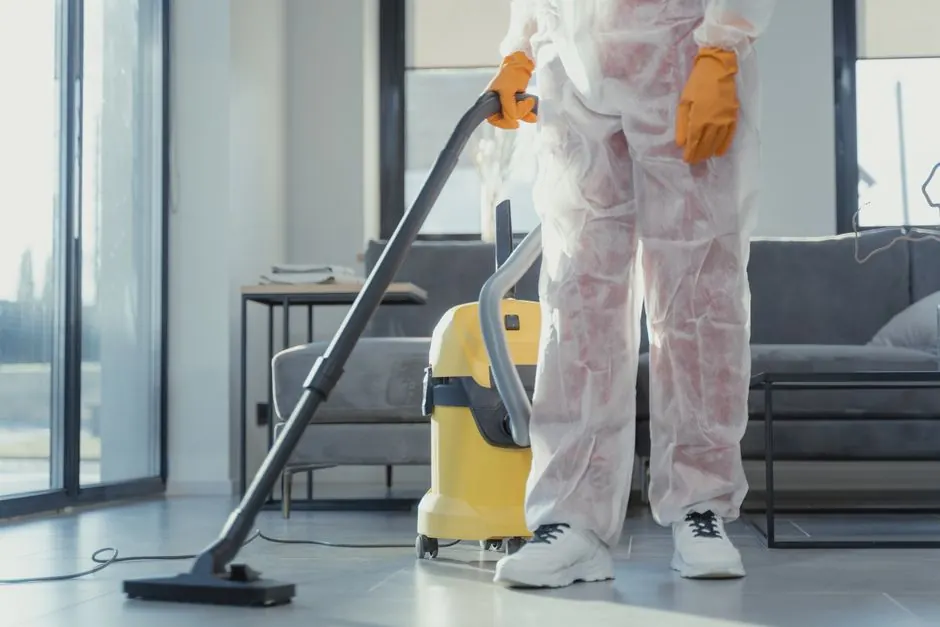
A cleaner in protective coveralls and gloves vacuuming a modern living room.
Licensed Licensed & Bonded
Fully Insured Insured & Bonded
24/7 Emergency Same-Day Response
Warranty Backed Workmanship Guaranteed

Included in Residential Mold Removal

Our residential mold service includes assessment of visible growth and related moisture, protection of the work area, controlled removal of materials that cannot be cleaned, and cleaning of suitable surfaces. We also monitor drying and explain what needs repair after cleanup. Plumbing, roofing, and reconstruction are coordinated as needed, but the remediation work itself stays focused on removing contamination and preparing the area for a dry, sound repair.

Work Area Assessment

We inspect the visible growth, surrounding materials, and likely moisture pathway. Moisture readings help us decide whether the work should include adjoining drywall, insulation, framing, or flooring. You get an explanation of the affected area before removal begins.
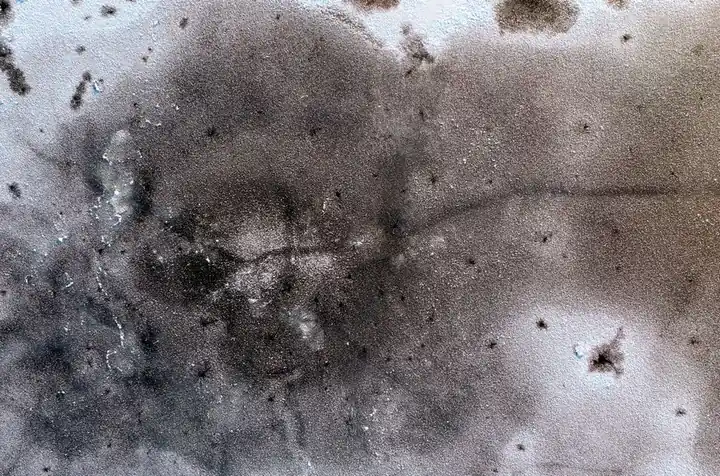
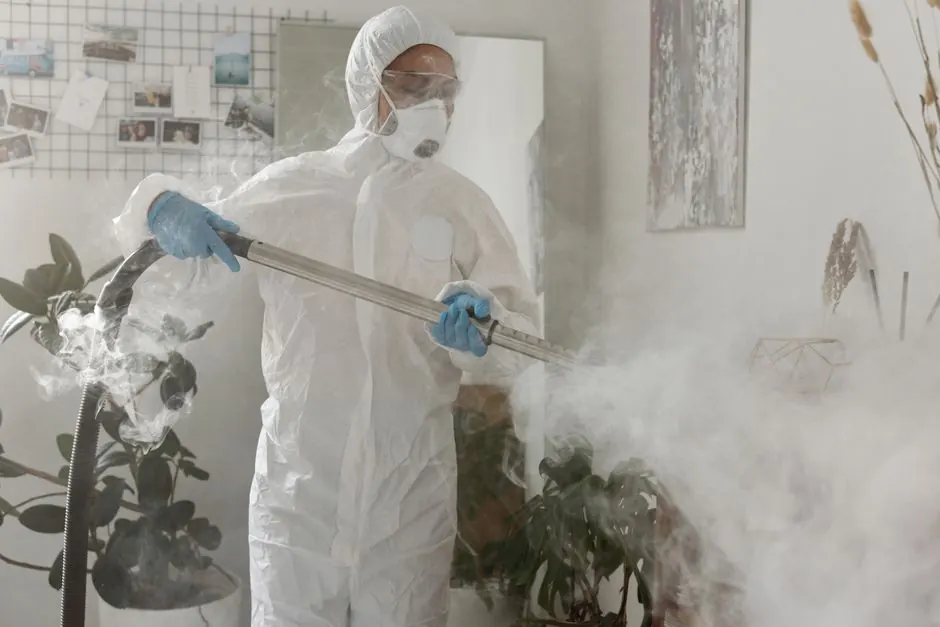
Room Containment

We establish a controlled work zone using suitable barriers and air filtration when the project requires it. The crew plans entry, debris handling, and equipment placement so unaffected rooms remain outside the work area as much as possible.

Removal and Cleaning

Damaged porous materials are removed when they cannot be reliably restored. We clean appropriate remaining surfaces and control fine debris with HEPA equipment where suitable. The specific method depends on the substrate, moisture condition, and extent of contamination.

Drying and Review

We monitor affected surfaces as they dry and review moisture readings before repair work. You learn whether the area is ready for drywall, insulation, or finish repairs, and what source correction is needed to reduce the risk of renewed growth.

Residential Mold Removal in South Carolina


Residential Mold Removal in South Carolina is a property restoration service that removes mold-contaminated materials and treats affected surfaces after indoor mold growth is found. We begin by tracing moisture with a moisture meter and, where useful, a thermal imaging camera; visible staining alone does not show how far water traveled. Then we isolate the work zone, remove unsalvageable porous materials, clean remaining surfaces with appropriate methods, and dry the area. The goal is to leave your home clean, dry, and ready for repairs, not simply to cover discoloration with paint.

South Carolina homes face distinct moisture patterns: humid coastal air, summer storms, plumbing failures, and winter condensation in tightly closed rooms. Crawl space moisture, attic mold from roof leaks, and condensation on HVAC components can each produce different damage. We investigate the source before cleanup, especially for residential mold removal after water damage in South Carolina, so a repaired pipe, roof, or drainage issue does not keep feeding growth. Our approach adapts to the home's construction, affected materials, and the access needed to reach concealed areas.

What to Expect During Cleanup

Residential mold cleanup follows a controlled sequence: find the moisture, protect clean areas, remove affected materials, and verify drying. We explain each step before work begins and keep you informed about access, noise, and the rooms that remain usable while the crew is working.

01

Schedule

Call or book online — a real human picks up and confirms a 2-hour arrival window.

02

Diagnose

Licensed tech inspects on-site, then walks you through the cause and your options.

03

Fix

The job is completed to code and done right the first time — no shortcuts, no surprises.

04

Guarantee

Every job backed by a written workmanship warranty — and we stand behind it.

Equipment and Cleanup Methods

Tools & Equipment

Hygrometer

We use indoor humidity readings to understand drying conditions and identify whether excess moisture is contributing to the problem. Readings help guide practical ventilation and dehumidification decisions.

HEPA-filtered vacuum

This vacuum collects fine particles from appropriate surfaces during cleanup. It supports controlled work after material removal and is selected according to the work area and surface being cleaned.

Air sampling pump

When a project calls for sampling, an air sampling pump collects a controlled air sample for analysis. Sampling is used to answer a defined question and is not a substitute for correcting visible moisture or growth.

Borescope

A borescope can help inspect a limited concealed cavity through an existing opening. We use it to gather information about hidden spaces while limiting unnecessary damage to finished walls.

Methods & Standards

ANSI/IICRC S520 remediation framework

We use the ANSI/IICRC S520 Standard for Professional Mold Remediation to inform containment, material removal, cleaning, and project review. The work plan is selected for the site, not copied from another home. You receive a clear sequence before the crew disturbs materials, and the team maintains control through debris handling and drying.

Moisture-source investigation

We trace moisture to a leak, water intrusion, condensation, or humidity condition before finishing the cleanup plan. That may involve checking plumbing, roof entry, or crawl space dampness. Once the source is corrected or controlled, we dry and clean affected materials so new repairs are not exposed to the same conditions.

Containment and filtered cleanup

We use appropriate barriers, air filtration, and debris controls to limit movement from the work area. A HEPA-filtered vacuum supports cleaning where suitable, while porous materials that cannot be restored are removed. Afterward, we review the area and follow moisture readings through the drying phase.

Common Reasons to Call

01

A pipe bursts in a wall and leaves wet drywall, insulation, and a musty odor in an occupied bedroom.

What we do: We assess the leak area and adjoining surfaces, then establish containment before removing wet materials that cannot be dried and cleaned reliably. Our crew checks framing and tracks drying after the pipe is repaired. We explain which areas are safe to use and when the room is ready for reconstruction.

→ Your bedroom gets a controlled cleanup plan, and the wall is not closed until the remaining materials have dried and the source is corrected.

02

A homeowner sees mold around a bathroom vent after months of condensation on HVAC components.

What we do: We inspect the vent, nearby ceiling, and visible condensation pathway to determine whether contamination is limited to the finish or extends into the cavity. We remove affected material as needed, clean suitable surfaces, and coordinate HVAC attention when a drain or equipment issue is involved.

→ You get a clear answer about the extent of the affected area and a cleanup plan that includes the moisture condition rather than just the stained ceiling.

03

A persistent odor follows a storm, but the homeowner cannot identify a stain or active leak.

What we do: We inspect likely water paths, including attic, crawl space, closets, and rooms beside exterior openings. Moisture readings guide targeted checks. If affected materials are found, we contain the area, remove what cannot be restored, and verify drying after the entry point or drainage issue is corrected.

→ The investigation narrows the source and gives you actionable next steps, instead of masking the odor while concealed dampness remains.

Residential Cleanup Across South Carolina

South Carolina's humidity, storm patterns, and varied housing stock change how residential mold work is planned. Coastal homes may need longer drying attention after humid weather, while inland homes often call after roof leaks, plumbing failures, or condensation in closed rooms. Older houses can have limited access behind layered finishes; newer homes can conceal leaks within wall cavities. We inspect actual conditions instead of assuming the visible patch tells the whole story. Our team uses moisture readings and controlled removal to address the affected materials. For home mold remediation in South Carolina, we also consider crawl space moisture, attic ventilation, and nearby HVAC components. The ANSI/IICRC S520 Standard for Professional Mold Remediation guides work practices, while applicable building requirements apply to repair and reconstruction. We coordinate cleanup with the source correction and explain when the area is ready for new drywall, insulation, or finish work.

Neighborhoods We Serve

  • Irmo

    Storm water and bathroom leaks can affect wall cavities in Irmo homes. We inspect the path around a stain and use moisture readings to define removal.

  • Surfside Beach

    Persistent coastal humidity can slow drying. We monitor affected materials and consider ventilation and moisture control while planning cleanup.

  • Camden

    Attic leaks and damp crawl spaces are common inspection points in Camden homes. We check the source and affected insulation before recommending removal.

  • Greer

    In Greer, we inspect plumbing, roof entry, and condensation concerns around HVAC components to distinguish a localized patch from a wider moisture issue.

Local Conditions We Plan For

  • Humid coastal air that slows indoor material drying

    High ambient humidity can keep surfaces damp after the leak is repaired. We monitor moisture, use a dehumidifier when appropriate, and consider ventilation so drying is based on readings rather than a fixed guess.

  • Heavy rain that drives water through roof openings

    Water can travel along framing and insulation before appearing as a ceiling stain. We inspect the attic or adjacent cavity, identify affected materials, and coordinate cleanup after the opening is repaired.

  • Condensation around cooling equipment or duct surfaces

    A drain issue or temperature difference can wet nearby finishes and support growth. We assess the residential materials and coordinate HVAC correction where required before completing the cleanup and drying review.

Bathroom Supply Leak Cleanup

Before

A slow leak beneath a vanity had dampened about 10 square feet of drywall and cabinet backing. The homeowner could see a dark patch but did not know whether moisture reached the adjoining wall. The room had a musty odor, and repainting would have trapped the remaining dampness.

After

We contained the work area, removed the affected drywall and cabinet backing, and cleaned the exposed surfaces. The leak was repaired, and moisture checks over 3 days confirmed the remaining framing was dry enough for repair. The homeowner had a defined repair boundary and no wet material left behind the new finish.

Maintenance: Check the vanity supply line and cabinet base monthly for dampness or odor. Run the bathroom fan during showers and address drips promptly, before water reaches wallboard or cabinetry.

Before

A roof leak left wet insulation and staining across approximately 25 square feet of attic sheathing. The odor had begun to reach the hallway, though no ceiling damage was visible. The homeowner wanted to replace insulation but needed the leak path and material condition checked first.

After

We traced the water path, removed the affected insulation, and cleaned suitable sheathing. After the roof opening was repaired, drying and moisture checks continued for 4 days. The attic was ready for insulation replacement once the retained material was dry, preventing new insulation from covering a damp surface.

Maintenance: Inspect the attic after major storms and twice a year for wet insulation, staining, or odor. Keep roof penetrations maintained and act quickly if water marks appear.

Before

A home had persistent odor and damp insulation beneath two rooms after rainy periods. No active pipe leak was apparent, but moisture remained around the lower framing. The homeowner needed to know whether the problem was limited to insulation or involved a broader crawl space condition.

After

We inspected the crawl space, removed affected insulation across roughly 160 square feet, and checked framing as the area dried. The homeowner addressed the moisture source and planned vapor control before replacing insulation. Follow-up readings gave the repair team a clearer starting point.

Maintenance: Check for standing water, displaced vapor barrier, and damp insulation at least seasonally. Keep drainage paths clear and repair plumbing drips promptly to limit moisture beneath the home.

Resolve Mold After Water Damage

A quick wipe does not solve damp drywall, wet insulation, or a leak hidden behind a cabinet. Our residential cleanup removes affected material and follows moisture to its source. That approach helps you avoid closing a wet wall or leaving a musty room untreated.

Problem

Growth returns along a bathroom wall after repeated wiping

Moisture behind tile or cabinetry can remain after the surface is cleaned, allowing growth to return and damaging wallboard or trim over time.

Our Fix

We inspect the adjoining wall and plumbing, measure moisture, and contain the area before opening affected materials. The crew removes porous material that cannot be restored, cleans suitable surfaces, and checks drying. We also identify the leak or ventilation condition that needs correction before the wall is rebuilt.

Problem

Attic mold appears after roof leaks during heavy rain

Water can spread across sheathing and insulation before a ceiling stain becomes visible. Delayed drying may damage materials and leave odor in rooms below.

Our Fix

We inspect the attic and map the wet path, then remove affected insulation or other porous material as needed. We clean retained surfaces and track drying after roof repairs. The work plan reflects the actual access and materials, helping you avoid replacing sound areas while leaving damp sections behind.

Problem

Crawl space moisture causes odor and damp floor insulation

Persistent crawl space moisture can affect insulation and framing while odors move into living areas. Continued dampness also makes repairs less durable.

Our Fix

We inspect the crawl space, identify visible dampness and affected materials, and remove contaminated insulation when necessary. After addressing water entry or ground moisture, we monitor drying and discuss a crawl space vapor barrier where appropriate. You get a cleanup sequence tied to the conditions under your home.

A Cleaner, Drier Home

A Cleaner, Drier Home

A good cleanup deals with both visible contamination and the conditions that allowed it to grow. We protect unaffected rooms, explain what we find, and set practical drying and repair steps so you know what happens next. The work is tailored to the size and location of the affected area.

  • Containment That Protects Rooms

    We separate the work zone with polyethylene containment sheeting and use negative air control when the project calls for it. This helps limit dust and disturbed material moving into adjoining rooms. Your household gets a clear access plan, and we keep tools and removed debris within the designated area during the cleanup.

  • Moisture Source Addressed

    Mold returns when damp materials stay wet or a leak continues. We check plumbing, roof entry points, ventilation, and humidity readings, then identify the repair or drying step needed. For a small leak, a moisture meter helps confirm whether framing and nearby surfaces have reached a dry condition before reconstruction begins.

  • Material-Specific Cleanup

    Nonporous surfaces can often be cleaned, while saturated drywall, insulation, or other mold-contaminated porous materials may need removal. We separate salvageable items from materials that cannot be reliably cleaned, and use a HEPA-filtered vacuum where suitable to collect fine debris from the work zone.

  • Clear Next Steps

    You receive a practical explanation of affected areas, drying needs, and repair priorities. If mold-resistant drywall or new insulation is appropriate after drying, we identify that as the reconstruction phase rather than sealing wet material behind a finished wall. This reduces guesswork for you and your repair trades.

Credentials and Standards

Licensed & Certified

  • IICRC Applied Microbial Remediation Technician — issued by Institute of Inspection, Cleaning and Restoration Certification
  • IICRC Water Damage Restoration Technician — issued by Institute of Inspection, Cleaning and Restoration Certification
  • ANSI/IICRC S520 Standard for Professional Mold Remediation — issued by American National Standards Institute and IICRC

Verified Reviews

Homeowner feedback ★★★★★5.0

The team inspected a musty bedroom wall and found moisture near a bathroom supply line. They contained the area, removed the affected drywall, and checked the framing before repairs. We appreciated the clear explanation and the fact that they did not simply paint over the stain.

Homeowner feedback ★★★★★5.0

After a storm, our attic insulation was wet and the ceiling below smelled musty. The crew found the affected area, removed what could not be saved, and tracked drying. They also explained why the roof repair needed to happen before new insulation went in.

Homeowner feedback ★★★★★5.0

Our crawl space had a damp odor that kept coming back. The crew checked the framing and insulation, removed affected material, and showed us the moisture readings. Their practical explanation of the next steps helped us coordinate the repair and moisture control.

Practical Mold Cleanup Expertise

Our team approaches residential mold work as a moisture-control and material-removal job, not a paint-over. Technicians use established remediation practices and relevant training, including the IICRC Applied Microbial Remediation Technician framework and the ANSI/IICRC S520 Standard for Professional Mold Remediation. We match containment, cleaning, and removal methods to the site conditions and communicate what we find in plain language. South Carolina homes range from coastal houses with persistent humidity to inland properties with storm leaks and crawl space moisture; each needs a plan built around its actual construction and water history.

  • Technicians apply IICRC Applied Microbial Remediation Technician principles to containment, removal, cleaning, and post-work evaluation.
  • The ANSI/IICRC S520 Standard for Professional Mold Remediation guides decisions about work practices and affected materials.
  • Moisture meters and hygrometers help track damp surfaces and indoor humidity during the drying process.
  • We inspect attic framing, crawl spaces, bathrooms, and HVAC-adjacent areas where hidden moisture often escapes a quick visual check.
  • Our team coordinates cleanup with the moisture-source repair so your household is not left with a clean surface over an active leak.
Get Started Today
Practical Mold Cleanup Expertise

Cities Served Across the State

We provide residential mold removal throughout South Carolina, from coastal communities to Upstate towns and Midlands neighborhoods. Each job is planned around the property, moisture source, access, and materials rather than a one-size-fits-all cleanup. Our team serves major cities and smaller communities, including homes affected by leaks, storm water, humidity, and crawl space moisture. Contact us about professional home mold removal South Carolina homeowners can arrange for their local area.

Rock Hill

In Rock Hill, we assess roof leaks, plumbing damage, and damp wall cavities, then contain affected rooms and check drying before repairs.

Greer

Greer homeowners call us for mold following leaks or HVAC condensation. We inspect nearby materials and address the moisture pathway before finishing cleanup.

Easley

Our Easley service covers bathroom leaks, attic water entry, and crawl space dampness, with removal planned around affected materials and access.

Clemson

For Clemson homes, we provide contained cleanup after plumbing leaks and humidity problems, then verify that retained surfaces are dry before repairs.

Dentsville

We inspect Dentsville homes for water damage behind walls and around bathrooms, protecting adjoining rooms while affected material is removed and cleaned.

Irmo

In Irmo, our team investigates storm leaks, musty closets, and damp drywall, then tracks moisture after the source is corrected.

Woodfield

Woodfield cleanup often includes checking floor-level walls, plumbing areas, and crawl spaces so hidden dampness does not remain after visible growth is removed.

Camden

We serve Camden homeowners dealing with attic leaks, plumbing failures, and crawl space moisture, locating the source before setting the cleanup boundary.

Lake Murray of Richland

Homes near Lake Murray of Richland may face humidity and wind-driven rain. We check roof and window paths as well as concealed damp areas.

Laurel Bay

Our Laurel Bay work accounts for coastal humidity and drying needs, with contained removal and moisture checks before materials are repaired.

Abbeville

In Abbeville, we assess water-stained ceilings, bathroom walls, and crawl spaces, then coordinate cleanup with correction of the moisture source.

Surfside Beach

We address Surfside Beach homes affected by humidity and storm water, focusing on affected materials, drying, and the conditions that fed growth.

Southern Shops

Southern Shops homeowners can call us for attic sheathing, damp insulation, and condensation concerns. We inspect before opening finished ceilings.

Arcadia

For Arcadia homes, we check plumbing leaks, attic water entry, and crawl space dampness, then clean or remove materials based on their condition.

Kingstree

Our Kingstree service handles mold cleanup after storms, plumbing leaks, and persistent humidity, with moisture assessment and drying checks included.

Residential Mold Removal Questions

Real answers to the questions we hear most often from local homeowners and property managers.

How much does residential mold removal cost in South Carolina?
Small, contained jobs often cost $500 to $1,500, while larger projects can range from $2,000 to $6,000 or more. Typical 2026 pricing depends on affected square footage, demolition, access, containment, and drying time. A few square feet of bathroom growth differs from concealed contamination across a crawl space or several rooms. We inspect the affected area and provide upfront pricing before the cleanup starts.
How long does home mold remediation take?
A small residential cleanup often takes 1 to 3 workdays, with drying adding about 2 to 5 days when materials are damp. Larger projects, concealed damage, or extensive demolition take longer. The schedule depends on how much material must be removed and whether the leak has been stopped. We keep you updated as moisture readings show whether the area is ready for repairs.
Can I stay in my house during mold removal?
Many homeowners can remain in the house when the affected area is contained and separated from living spaces. Your situation depends on the work location, size of the affected area, and household sensitivities. We explain which rooms to avoid and how the crew will control dust and debris. A whole-home or HVAC-related project may require a different access plan while equipment is operating.
Who provides residential mold remediation in South Carolina?
South Carolina Mold Remediation provides residential mold cleanup, moisture assessment, containment, and removal for homeowners across the state. Our team follows relevant IICRC remediation practices and uses equipment selected for the affected materials and work area. If you need professional mold cleanup for a house in South Carolina, call +18038120162 to discuss the leak, odor, or visible growth and arrange an assessment.

Related Home Services

Mold Remediation

Broader remediation addresses mold in multiple areas or complex building materials. For South Carolina homeowners, it connects residential cleanup with moisture control, containment, and removal when growth extends beyond one room or follows a significant water event.

View Mold Remediation

Mold Inspection and Assessment

An inspection helps locate visible and concealed moisture conditions before cleanup is planned. We check likely pathways, document affected areas, and use readings to help distinguish a surface stain from a broader water problem in your home.

View Mold Inspection and Assessment

Mold Testing and Sampling

Sampling can support a specific investigation when a property concern calls for it, but visible mold and moisture often guide the cleanup plan. We discuss the purpose of testing and how the result will inform decisions before arranging sampling.

View Mold Testing and Sampling

Black Mold Removal

Dark-colored growth is not identified by appearance alone. We assess the affected material and moisture source, then contain and remove contamination using appropriate methods. This service helps homeowners address concerning growth without relying on color as a diagnosis.

View Black Mold Removal

Commercial Mold Remediation

When a home-based business or shared building area is affected, commercial remediation coordinates access, work zones, and occupant needs. The same moisture-first process applies, with planning adjusted for business operations and larger spaces.

View Commercial Mold Remediation

Attic Mold Remediation

Attic cleanup focuses on roof leaks, ventilation, and condensation that can affect sheathing and framing. We inspect the entry point, remove materials that cannot be cleaned, and verify drying before repairs or insulation work.

View Attic Mold Remediation

Stop Mold Growth at Its Source

If you see growth, smell persistent mustiness, or have had a leak, call South Carolina Mold Remediation at +18038120162. Our team will help you take the next step toward a contained, dry home.

Call Today Call for Service

Talk With Our Team

Call us at +18038120162 to discuss visible mold, water intrusion, or a musty smell in your home or business. We take calls around the clock for urgent water-related concerns and arrange service across South Carolina. Tell us what happened, which rooms are affected, and whether the leak is still active so we can help you plan the next step.

Or call us right now at +18038120162 — we answer.

South Carolina Mold Remediation


  • Phone

    +18038120162
  • Address

    South Carolina

  • Hours

    Mon–Fri: 7AM – 7PM
    Sat: 8AM – 4PM
    Sun: Emergency Only
    24/7 Emergency Available

Call +18038120162 Get Quote
Call Quote