

Residential Mold Remediation for Surfside Beach Homes
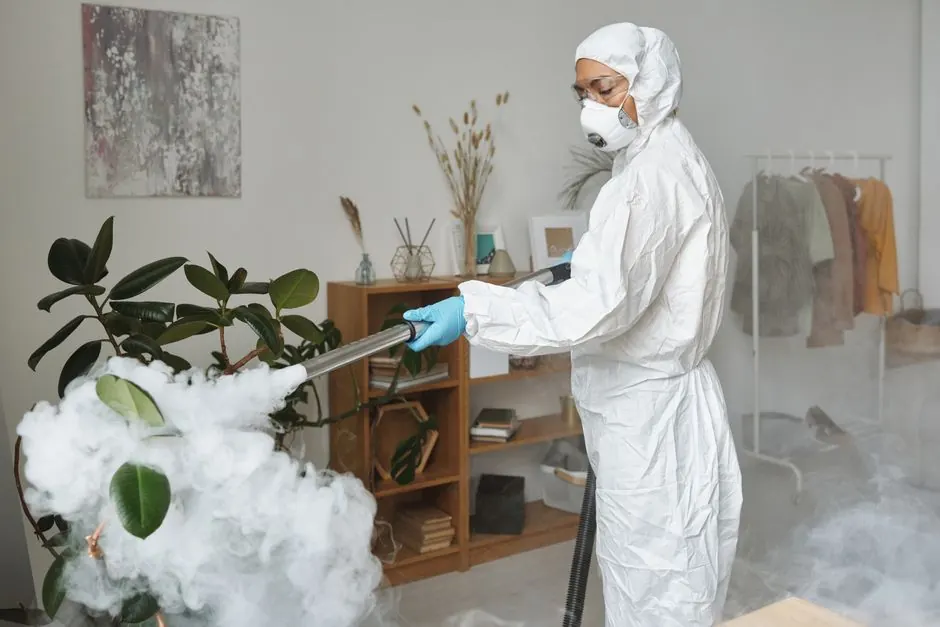
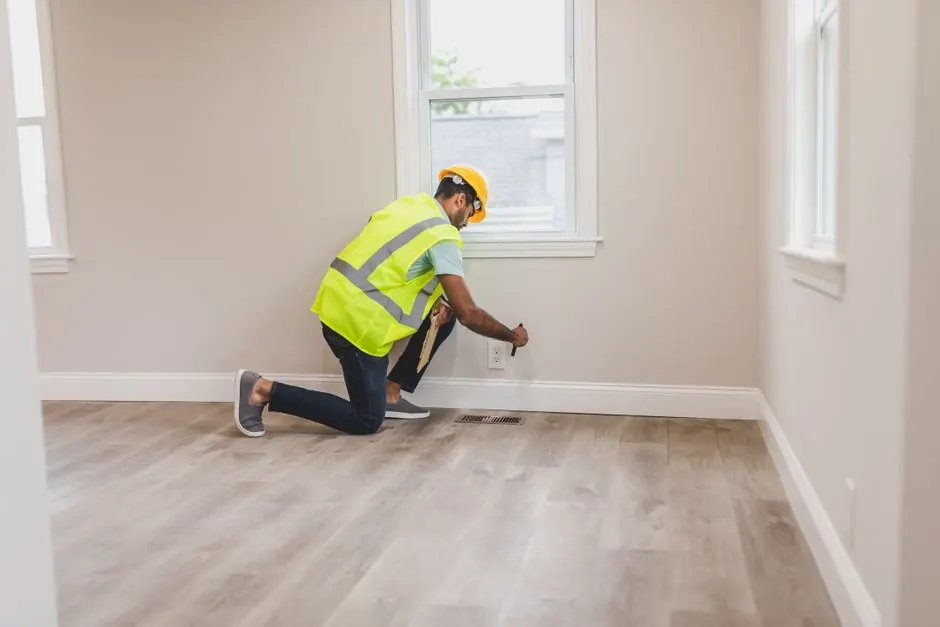
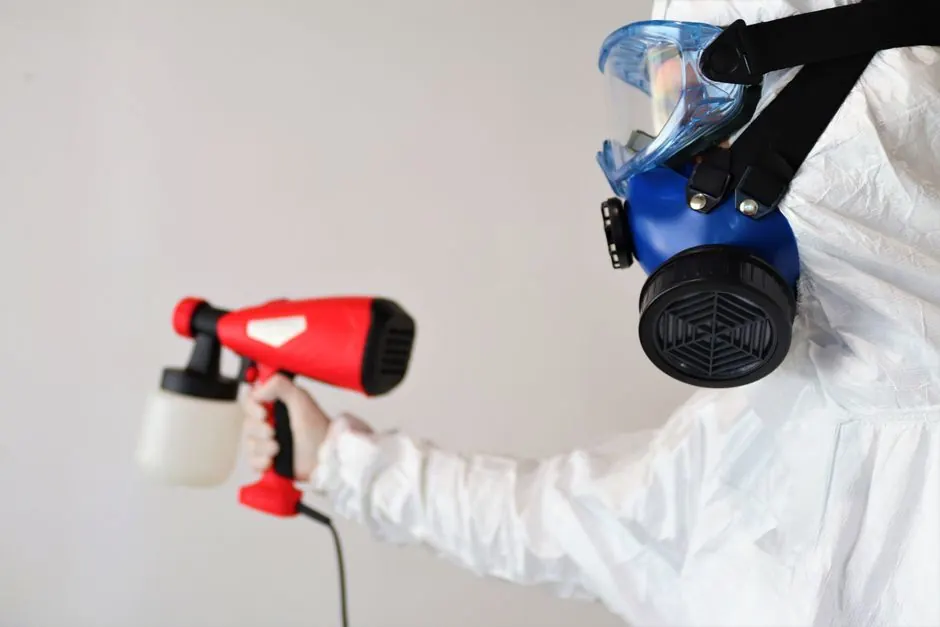
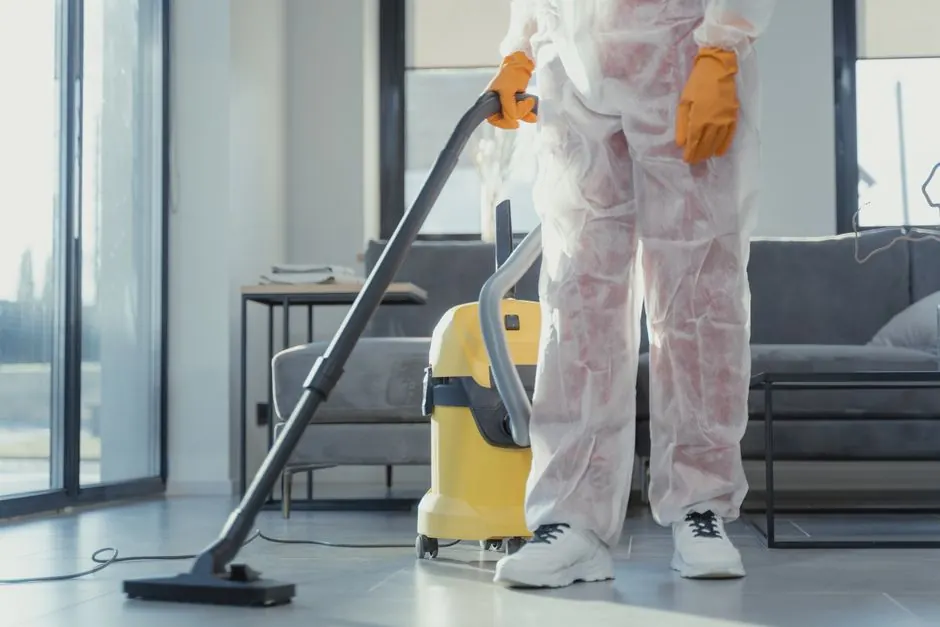
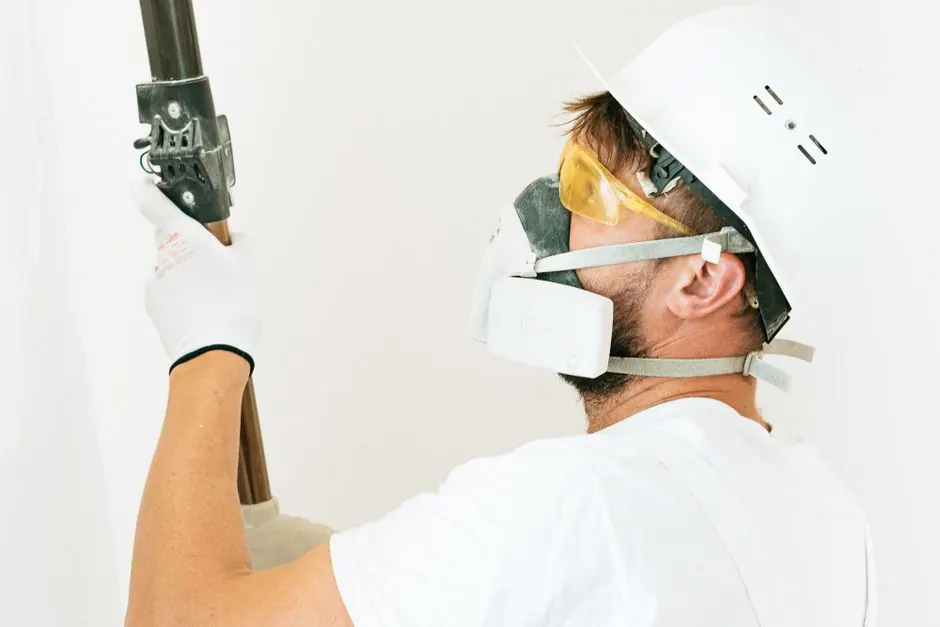
Surfside Beach residential properties include detached homes, raised beach houses, condominiums, and seasonal rentals. A leak behind a bathroom wall can affect more than the visible finish, while crawl space moisture or attic mold from roof leaks may stay hidden until an odor appears. We inspect the affected room and relevant adjoining spaces, then explain what can be cleaned and what needs removal. Residential mold removal is planned around your household, pets, belongings, and access needs. We use containment when appropriate and keep debris out of unaffected rooms. After cleaning, we check drying conditions and discuss the moisture correction required to reduce the chance of the problem returning.
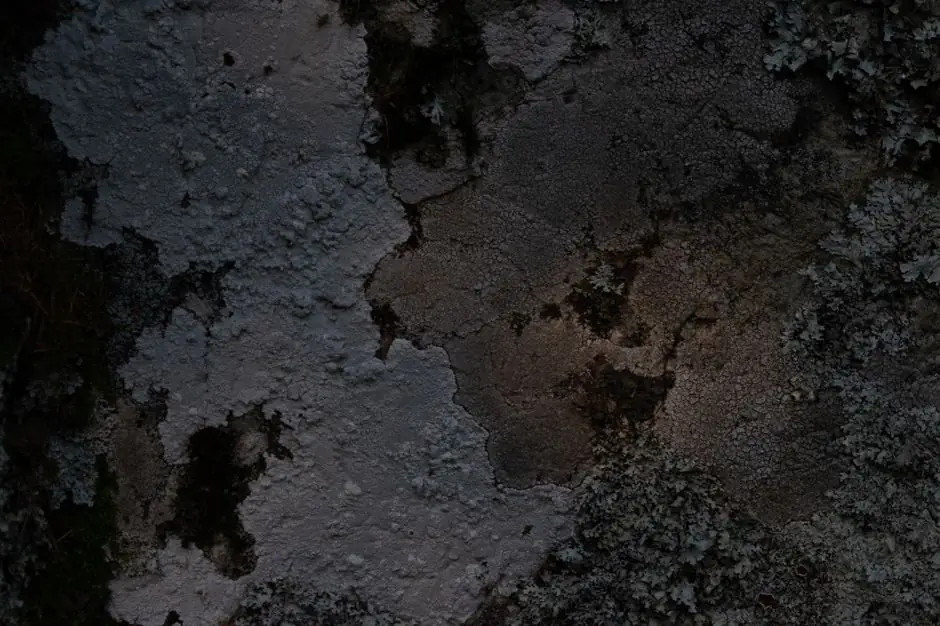
- Bedroom and bathroom mold cleanup — We inspect stains, odors, and damp materials in Surfside Beach bedrooms and bathrooms, then check nearby plumbing and wall surfaces. If drywall or insulation is damaged, we remove the affected section under controlled conditions. We clean remaining materials and explain which leak or humidity issue needs correction.
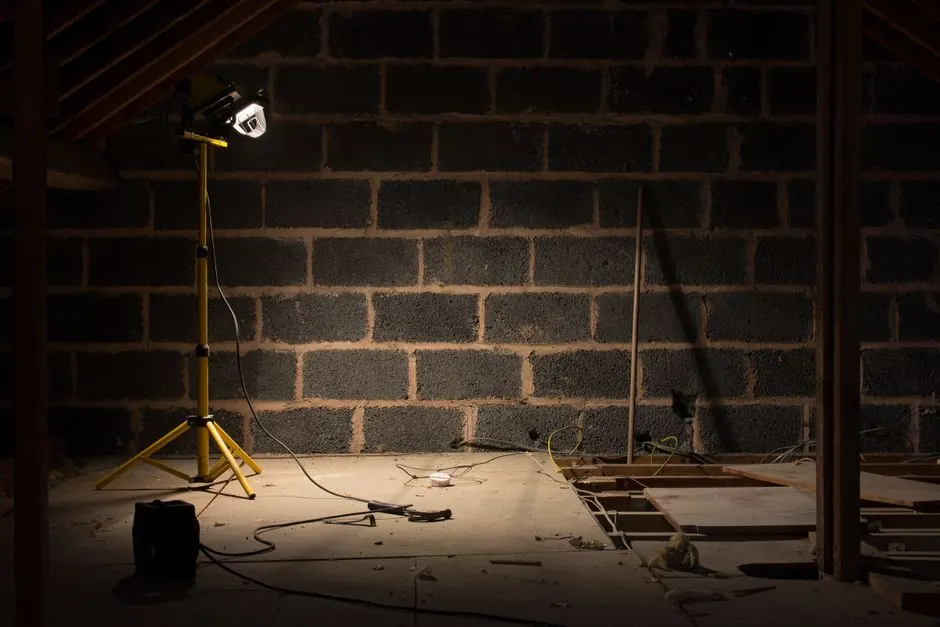
- Attic and roof leak remediation — After a roof leak, we examine accessible attic sheathing, insulation, and the ceiling below. In Surfside Beach homes, wind-driven rain can leave concealed wet areas, so we map moisture before removal. We contain debris, clean salvageable surfaces, and check drying after the roof entry is corrected.
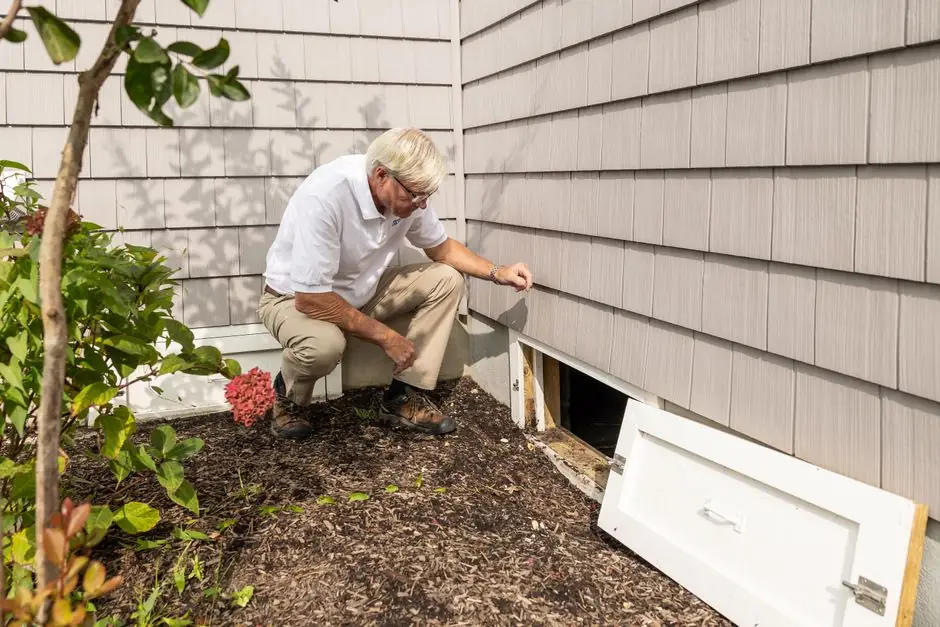
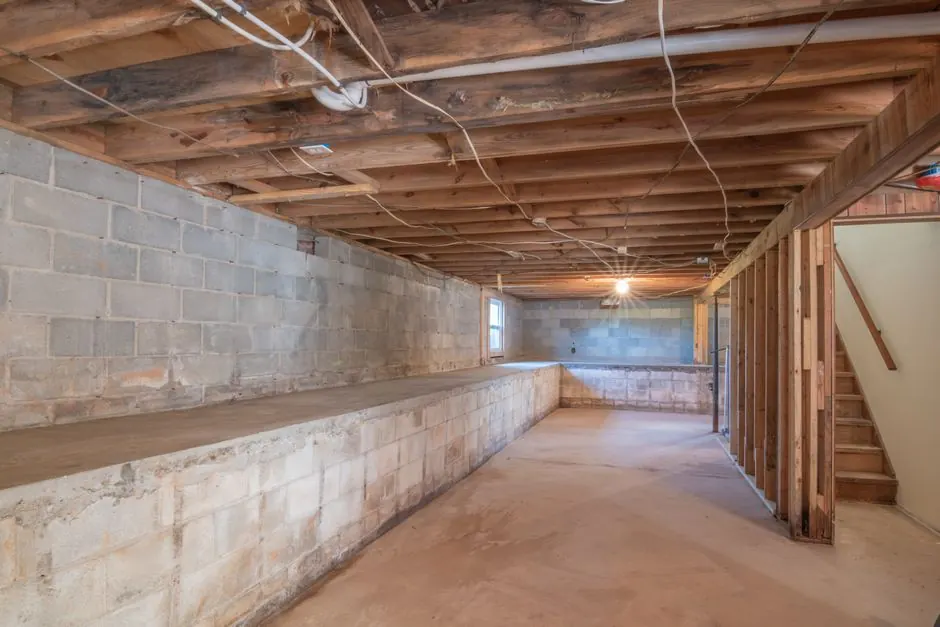
- Crawl space moisture cleanup — We inspect accessible crawl spaces beneath Surfside Beach homes for damp insulation, affected framing, plumbing leaks, and ground moisture. Contaminated materials are removed when they cannot be cleaned, and remaining surfaces are treated with a controlled process. We can discuss a crawl space vapor barrier when conditions support one.
- Condo and rental property remediation — We coordinate with occupants or property managers to access Surfside Beach condos and vacation rentals, protect shared routes, and define the work zone. We document affected materials and schedule cleanup around occupancy needs. This approach helps you distinguish an active moisture problem from cosmetic staining before the unit returns to use.