
Logo
Get Estimate

Basement Mold Removal in South Carolina

Dry the basement, remove mold, and address its source.


Basement Mold Removal in South Carolina helps homeowners dealing with damp walls, musty odors, or mold after a leak. We inspect the affected area, contain the work zone, remove contaminated materials when needed, and clean salvageable surfaces. Our basement mold remediation services in South Carolina also focus on the moisture source, so you can reclaim the space instead of covering up the warning signs.

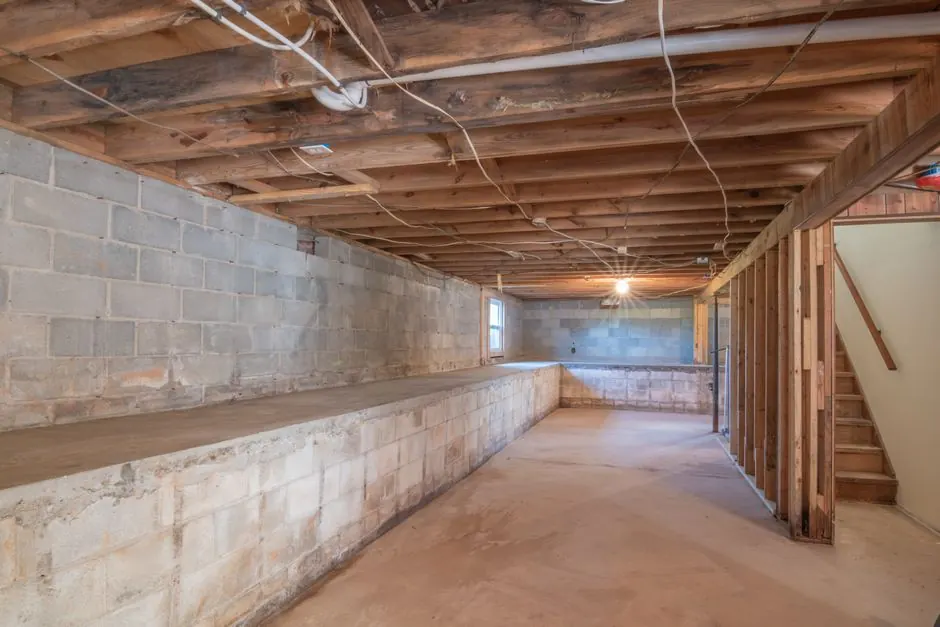
Empty basement with exposed wooden beams, concrete walls and stairs.
Licensed Licensed & Bonded
Fully Insured Insured & Bonded
24/7 Emergency Same-Day Response
Warranty Backed Workmanship Guaranteed

What Basement Cleanup Includes

Basement mold removal covers inspection of visible growth and moisture, controlled work-area setup, removal of unsalvageable mold-affected materials, cleaning of suitable surfaces, and drying checks. We explain the moisture source and the work needed to address it. Plumbing repairs, foundation excavation, reconstruction, and independent laboratory testing are separate services when the conditions call for them; we identify those needs clearly rather than treating them as part of surface cleanup.

Moisture Source Assessment

We inspect the basement for plumbing leaks, foundation entry, condensation, and other wet conditions connected to mold. A moisture meter helps identify affected materials beyond the visible stain. You'll hear what we found and which source needs repair so cleanup is not treated as a stand-alone fix.
Work-Area Containment

We isolate the work zone when disturbance could release mold-contaminated dust, protect the route out, and use filtration suitable for the job. The setup keeps cleanup organized around your home's layout, especially when the basement shares a stairway, laundry area, or mechanical room with occupied spaces.

Material Removal and Cleaning

Damaged porous materials such as affected drywall, carpet padding, or insulation are removed when they cannot be restored. Suitable hard surfaces and sound materials are cleaned using methods appropriate to the surface. We explain why each material is being cleaned or taken out before that part of the work proceeds.

Drying and Progress Checks

We use dehumidification and moisture readings to track drying rather than relying only on touch or appearance. The time required depends on water exposure, material thickness, and airflow. You receive practical guidance about humidity control and what to check after the crew finishes.

Basement Mold Removal in South Carolina Explained


Basement Mold Removal in South Carolina is a professional indoor environmental service that removes mold growth and addresses the moisture conditions that allow it to develop. We begin by tracing visible growth and dampness, then assess wall finishes, framing, stored materials, and nearby plumbing. A moisture meter helps map wet areas; containment and HEPA filtration limit dust during removal. Porous materials that cannot be cleaned are removed, while suitable hard surfaces are cleaned with an appropriate antimicrobial solution. The work finishes with source correction guidance and moisture checks, not a coat of paint over active growth.

South Carolina homes face heavy rain, humid summers, and damp crawl spaces that can feed basement dampness, especially after a sump failure, plumbing leak, or water intrusion. In coastal areas, humid outdoor air can condense on cooler surfaces; inland, storm runoff and aging foundation drainage are common concerns. Our South Carolina basement mold removal work starts by distinguishing a one-time leak from a continuing moisture problem. If you're dealing with basement mold removal after water intrusion in South Carolina, we inspect the affected materials and establish what must be dried, cleaned, or removed.

What to Expect During Cleanup

South Carolina basement mold removal follows a clear sequence: inspect, contain, remove or clean, dry, and verify. We explain the work area before starting and keep you informed as conditions inside the basement become visible. Smaller jobs may take one day; projects involving extensive demolition and structural drying take longer.

01

Schedule

Call or book online — a real human picks up and confirms a 2-hour arrival window.

02

Diagnose

Licensed tech inspects on-site, then walks you through the cause and your options.

03

Fix

The job is completed to code and done right the first time — no shortcuts, no surprises.

04

Guarantee

Every job backed by a written workmanship warranty — and we stand behind it.

Tools and Cleanup Methods

Tools & Equipment

Moisture meter

We check moisture in drywall, framing, and other materials to map the affected area and follow drying progress. Readings help distinguish a surface stain from materials that remain wet behind a finish.

HEPA air scrubber

A HEPA air scrubber filters airborne particles in the work zone during removal and cleaning. We select placement based on containment and room layout, helping reduce migration of debris into adjoining living areas.

Thermal imaging camera

A thermal imaging camera can reveal temperature patterns that suggest hidden dampness or air leakage. We use those patterns to guide closer inspection, then verify conditions with direct moisture measurements rather than treating an image as proof.

Hygrometer

A hygrometer measures relative humidity in the basement. We use the reading alongside material moisture checks to understand whether indoor air conditions are contributing to condensation or slowing the drying process.

Dehumidifier

A dehumidifier removes moisture from basement air during drying and helps bring humidity under control. Equipment selection and run time depend on room size, water exposure, and the readings we observe.

Methods & Standards

ANSI/IICRC S520 work practices

We use the ANSI/IICRC S520 Standard for Professional Mold Remediation as a reference for assessing contamination, limiting disturbance, and selecting removal methods. The practical goal is to control the work area, remove affected material appropriately, and leave cleanable surfaces free of visible contamination and settled debris.

Source-first moisture investigation

Before cleanup, we trace likely moisture sources such as a plumbing leak, exterior water entry, condensation, or crawl space moisture. We compare visible damage with readings and building conditions. Correcting the source is central to reducing the chance that the same basement surface becomes damp again.

Controlled removal and HEPA cleaning

We contain the affected area before disturbing mold, remove porous materials that cannot be restored, and clean suitable surfaces. HEPA filtration captures fine debris during work. We avoid dry sweeping and uncontrolled demolition because those methods can carry dust into rooms that were not part of the original problem.

Measured drying verification

After cleaning or removal, we track moisture in affected materials and monitor indoor humidity as drying proceeds. Depending on the materials and water exposure, drying may take 24 to 72 hours or longer. We use readings to guide next steps rather than relying on a dry feel at the surface.

When to Call for Basement Cleanup

01

A storm pushes water through a basement wall, and the carpet edge remains wet the next morning.

What we do: We inspect the wet path, check carpet padding and nearby drywall, and determine whether materials can be dried or need removal. We contain any mold-affected work and use moisture readings to track the wall and floor edge. We also identify where water entered so you can arrange the appropriate drainage or foundation repair.

→ You get a defined cleanup plan, less damp material left in place, and clear next steps for correcting the water entry before the next storm.

02

A basement laundry supply line leaks behind a finished wall and leaves a musty smell days later.

What we do: We check the wall, trim, insulation, and framing near the leak, then remove damaged porous materials where inspection supports it. Our team cleans suitable surfaces and sets up drying equipment as needed. We keep the work area controlled and tell you when moisture readings show the framing is ready for repair.

→ Hidden wet materials are addressed instead of covered, and you can move toward reconstruction with a better understanding of the remaining moisture conditions.

03

A basement remains clammy through humid weather even though no plumbing leak is visible.

What we do: We measure indoor humidity, check cool surfaces for condensation, and inspect the basement perimeter and adjoining crawl space where present. We assess whether ventilation, drainage, or dehumidification needs attention, then clean any established growth. The recommendations reflect the actual moisture pattern rather than assuming every damp basement has the same cause.

→ You learn what is driving the dampness and receive specific humidity and inspection steps to help prevent future growth on basement materials.

04

A home sale inspection flags dark growth and a persistent odor in a basement storage area.

What we do: We inspect visible growth and moisture conditions, document affected materials, and explain the cleanup required. When sampling would answer a defined question, we discuss that option; it is not a substitute for correcting dampness. We keep the cleanup focused so you can address the flagged area and understand any related repair needs.

→ You receive a clear account of the affected area, completed cleaning or removal, and the moisture correction needed to keep the storage space serviceable.

Basement Work Across South Carolina Homes

Basement mold remediation services in South Carolina must account for both humid air and the way water moves around each home. Along the coast, humid outdoor air can condense on cool basement surfaces, while heavy rain and high groundwater can challenge foundation drainage. Inland homes also see storm-driven runoff, plumbing failures, and dampness where downspouts discharge too close to the structure. Our inspection checks those conditions alongside visible growth and material moisture. For basement moisture and mold removal service South Carolina homeowners need after a leak, we contain affected rooms, remove damaged porous materials, and dry the structure before repairs close it in. Building age and finish type matter: concrete walls, framed partitions, older masonry, and finished basements require different access and cleaning decisions. We follow EPA mold guidance and applicable work-safety requirements, including OSHA respiratory protection requirements for worker protection. We also coordinate access across the state, from coastal communities to inland towns, so the work plan fits the property rather than assuming every basement has the same construction or climate exposure.

Neighborhoods We Serve

  • Mount Pleasant

    Coastal humidity can leave cool basement surfaces prone to condensation. We check indoor humidity and exterior water entry before deciding whether the main need is drying, cleaning, or source repair.

  • Fort Mill

    Finished lower levels and utility areas can conceal a leak behind trim or drywall. We inspect connected materials and protect occupied rooms while opening only areas supported by moisture findings.

  • Greenwood

    Storm runoff and damp foundation edges can affect storage rooms and lower-level finishes. We trace water paths, check material moisture, and explain practical drainage corrections alongside cleanup.

  • Hardeeville

    Warm, humid conditions can slow basement drying and support condensation on cool surfaces. We monitor humidity and material readings so the drying plan reflects the conditions inside the home.

Local Conditions We Plan For

  • Humid coastal air meets cool basement walls during warm weather.

    Condensation can keep surfaces damp even without a pipe leak. We compare relative humidity with wall and framing readings, then address air moisture and established growth together.

  • Heavy rain sends runoff toward foundation walls and basement entries.

    Water may enter at a wall joint, window well, or low doorway and spread beneath finished flooring. We map the wet path and identify where drainage or exterior repairs must accompany cleanup.

  • Crawl space moisture raises humidity in adjoining lower rooms.

    A damp crawl space can contribute to musty odors and recurring basement dampness. We check connected conditions and explain whether crawl space drying or a vapor barrier should be considered.

Finished Wall After Pipe Leak

Before

A supply line leaked behind a finished basement wall, leaving a musty smell and a damp baseboard. The visible stain covered less than 10 square feet, but moisture readings showed the affected area extended into the lower drywall and insulation. The homeowner needed the source corrected before closing the wall again.

After

We contained the work area, removed the damaged lower drywall and insulation, cleaned the exposed framing, and set drying equipment. Moisture checks over 48 hours showed a steady decline in the framing readings. The plumber repaired the line, and the homeowner could plan replacement drywall after the materials were dry.

Maintenance: Check the repaired supply line monthly for the first few months and keep stored items away from the wall. If a new odor or damp baseboard appears, investigate promptly rather than covering the stain with fresh trim.

Before

Cardboard boxes sat against a cool concrete basement wall, where a persistent musty odor developed after several humid weeks. No active pipe leak was found, but the room's relative humidity measured 68%, and the wall surface showed dampness near the floor. Some stored paper and fabric had visible spotting.

After

We separated affected belongings, cleaned suitable concrete surfaces, and used dehumidification while monitoring humidity. The room reached 52% relative humidity during the work period, and the musty odor eased after damp cardboard was removed. The homeowner received a storage layout that left airflow space along the wall.

Maintenance: Keep humidity below 60%, run the dehumidifier during humid periods, and store belongings on shelving rather than directly on concrete. Check the wall and floor edge after heavy rain or a sustained rise in indoor humidity.

Before

After a storm, water entered beside a basement doorway and soaked carpet padding and the lower wall finish. The homeowner noticed a sour odor within two days. The affected area crossed the threshold and reached approximately 35 square feet of flooring and wall materials.

After

We contained the cleanup area, removed the wet padding and unsalvageable wall material, and cleaned the suitable hard surfaces. Drying readings were checked over three days while the entry drainage issue was addressed. The work left the doorway and adjacent wall ready for repairs without wet padding trapped underneath.

Maintenance: Keep the entry drain clear, check the threshold after heavy rain, and confirm water flows away from the doorway. If carpet becomes wet again, lift the edge promptly so the padding and subfloor can be assessed and dried.

Problems Solved by Basement Cleanup

A wet basement can hide damage behind finished walls and under flooring, while odors make the space difficult to use. We trace the moisture, control cleanup, and remove affected materials where needed. If you need to remove mold from basement walls in South Carolina, we first determine whether the wall is still wet and what is feeding the growth.

Problem

Musty odor persists despite cleaning visible basement surfaces.

Odor can point to damp materials behind trim, under flooring, or inside stored belongings. Ignoring the source leaves the room uncomfortable and allows concealed damage to continue.

Our Fix

We inspect the odor area and nearby materials, take moisture readings, and check likely entry points such as plumbing and foundation joints. If the source is hidden, we use targeted inspection rather than broad demolition. We then clean or remove the affected material and outline any repair needed to keep the basement dry.

Problem

Mold returns on basement walls after a previous cleanup.

Recurring mold after cleanup often means moisture was never corrected, or damp porous material remained in place. Repeated surface treatments can waste time while wall finishes and stored items continue to deteriorate.

Our Fix

We look for an active leak, condensation, drainage issue, or elevated humidity and measure the affected area. Our team removes unsalvageable materials, cleans suitable surfaces, and verifies drying. We explain the source correction needed so you can address the condition that caused regrowth, not just the discoloration.

Problem

Finished basement drywall stays damp after a leak.

Wet drywall and insulation can trap moisture against framing and floor edges. If those materials remain wet for 24 to 48 hours, odor and material damage become harder to manage.

Our Fix

We map the water-affected area, open only the materials indicated by inspection, and remove damaged porous components. HEPA filtration supports controlled work while dehumidification assists drying. We check framing moisture and explain when reconstruction can begin, helping you avoid closing a wall around damp materials.

Problem

Stored belongings develop spots and a stale basement smell.

Cardboard, fabric, and paper absorb humidity and can become contaminated, while tightly packed boxes block airflow along cooler foundation walls. The problem can spread beyond the original damp corner.

Our Fix

We identify the damp zone and separate affected materials from clean storage. Suitable hard surfaces are cleaned, while damaged porous belongings are assessed for removal. We also recommend practical storage changes, including keeping items off the floor and leaving clearance at exterior walls so you can spot new dampness early.

A Cleaner, Drier Basement

A Cleaner, Drier Basement

Basement mold affects more than appearance: it can damage finishes, leave persistent odors, and spread into stored belongings. We target the growth and the moisture that supports it, then explain what changed and what to watch. You get a defined work area, controlled cleanup, and practical steps for keeping the basement dry.

  • Remove Growth at Its Source

    We identify the wet materials and remove or clean them according to their condition, rather than treating every surface alike. A HEPA-filtered vacuum captures fine debris during detailed cleanup, while moisture readings help verify drying. For homeowners seeking professional basement mold cleanup in South Carolina homes, the result is a cleaner space with a clear plan for the moisture source.

  • Limit Spread During Work

    Polyethylene containment sheeting separates the work zone from occupied rooms, and filtered air equipment manages airborne dust. We protect nearby furnishings and keep the route in and out controlled. This matters when the basement connects directly to a laundry room, finished living area, or HVAC return that could otherwise carry debris through the house.

  • Protect Salvageable Materials

    Concrete, metal, and sound framing often respond differently from soaked drywall, paper, or carpet padding. We assess each material before deciding whether cleaning or removal is appropriate. That distinction helps preserve usable structure while taking mold-contaminated porous materials out of the basement, reducing unnecessary demolition and making repairs more targeted.

  • Make Drying Measurable

    A hygrometer records indoor relative humidity, and moisture readings show whether affected materials are drying rather than merely feeling less damp. We use dehumidification where conditions call for it and explain practical targets for daily monitoring. You leave with specific observations, not just a fresh-smelling room that may still be wet behind the wall.

Standards and Work Practices

Licensed & Certified

  • IICRC Applied Microbial Remediation Technician — issued by Institute of Inspection, Cleaning and Restoration Certification
  • IICRC Water Damage Restoration Technician — issued by Institute of Inspection, Cleaning and Restoration Certification
  • ACAC Council-certified Indoor Environmentalist — issued by American Council for Accredited Certification
  • EPA Renovation, Repair and Painting certification — issued by United States Environmental Protection Agency

Verified Reviews

Customer feedback ★★★★★4.9

The crew found damp drywall behind the baseboard that we had missed. They contained the area, explained what was being removed, and checked moisture again before we arranged repairs. The basement no longer has the musty smell that prompted the call.

Customer feedback ★★★★★5.0

After a rain-related leak, we wanted to know whether the framing was still wet. The technician took readings in several spots and explained the drying plan in plain language. Cleanup stayed within the work area, and we knew when the room was ready for the next repair.

Customer feedback ★★★★★4.8

Our storage room had dark spots on boxes and a damp concrete wall. The team removed the affected items, cleaned the wall, and gave us a practical humidity target. They also showed us where to check after storms, which made the follow-up straightforward.

Field Knowledge That Matters

Basement cleanup calls for more than surface treatment. We assess how water entered, how far it traveled, and whether the affected materials can be restored. Our technicians apply training relevant to microbial remediation and water damage, including IICRC Applied Microbial Remediation Technician and IICRC Water Damage Restoration Technician principles. We use the ANSI/IICRC S520 Standard for Professional Mold Remediation as a reference for work practices, containment, and removal decisions. For your home, that means measured conditions, controlled disturbance, and a cleanup plan matched to the actual damage rather than a one-size-fits-all spray.

  • We distinguish active water entry from lingering humidity by checking plumbing, foundation surfaces, and material moisture before selecting a cleanup approach.
  • Our containment practices account for occupied homes, shared HVAC pathways, and basement access routes, reducing avoidable dust movement during removal.
  • We assess porous drywall, insulation, and carpet padding individually because wet materials do not all respond to cleaning in the same way.
  • Technicians use protective equipment and HEPA filtration appropriate to the work, while keeping the homeowner informed about access and progress.
  • We document moisture conditions and explain source correction steps so your next repair addresses the cause, not just visible staining.
Get Started Today
Field Knowledge That Matters

Cities We Serve Across South Carolina

Our statewide coverage brings basement mold removal to coastal, inland, and upstate communities, with inspection and cleanup matched to each home's construction and moisture conditions. We coordinate routes across South Carolina rather than limiting service to a single city. For basement mold remediation services in South Carolina, tell us where the growth is and what happened before it appeared; we'll help identify the next practical step.

Mount Pleasant

We check coastal humidity, condensation, and water entry around basement walls, then tailor containment and drying to the affected finishes and storage areas.

Fort Mill

For finished lower levels, we trace leaks behind trim and flooring, protect adjoining living spaces, and verify moisture before repairs begin.

Greenwood

We assess damp foundation edges and storm runoff, identify affected materials, and connect cleanup with the drainage or leak correction your home needs.

Lake Wylie

Our team checks water entry and indoor humidity around lower-level rooms, then uses measured drying to guide cleanup after leaks or storms.

Boiling Springs

We inspect basement walls, utility areas, and stored materials for moisture, containing removal work when growth affects finished or occupied spaces.

Hardeeville

Humid conditions can slow drying, so we monitor indoor humidity and material readings while cleaning suitable surfaces and removing damaged porous materials.

York

We trace dampness from plumbing, foundation entry, or runoff and explain which basement materials can be cleaned and which need removal.

Clinton

For musty basements, we inspect visible growth and hidden moisture, then set up controlled cleanup and practical follow-up checks.

Lyman

We assess water-damaged finishes and basement humidity, protect the route through your home, and monitor drying before you arrange reconstruction.

Hollywood

We account for humid air and storm-related water entry, checking basement materials and surrounding conditions before choosing a cleanup method.

Belton

Our inspection follows moisture from the visible stain to nearby framing and stored items, helping prevent damp materials from being left behind.

Newport

We tailor basement cleanup to the home's layout, using containment and moisture checks when a leak or damp wall affects finished rooms.

Dunean

We investigate musty odors and wall dampness, identify the likely source, and clean or remove affected materials with the work area controlled.

Clearwater

We check for foundation moisture, plumbing leaks, and humidity, then track drying so basement repairs do not cover wet materials.

Bamberg

We inspect basement and lower-level moisture after leaks or storms, focusing cleanup on affected materials and explaining source corrections clearly.

Basement Mold Removal Questions

Real answers to the questions we hear most often from local homeowners and property managers.

How much does basement mold removal cost in South Carolina?
Basement mold removal commonly costs $500 to $6,000 in 2026, depending on the affected area, materials, and moisture source. A small, accessible concrete-wall cleanup costs less than removing finished drywall, insulation, and flooring across several rooms. We inspect the area and explain upfront pricing before work begins. Repairs to plumbing, drainage, or foundation entry are separate from mold cleanup and affect the total project investment.
What causes mold in a basement?
Mold grows when moisture, a food source, and suitable temperatures remain together; basement leaks, condensation, and high indoor humidity are common triggers. Cardboard, dust, wood, drywall paper, and stored fabric can provide material for growth. We check for plumbing leaks, water intrusion, crawl space moisture, and condensation on HVAC components. Fixing the moisture source is essential because cleaning visible growth alone does not prevent recurring mold after cleanup.
Can basement mold return after cleanup?
Yes, mold can return if the basement stays damp or the original leak remains active. We reduce that risk by identifying moisture sources, removing unsalvageable materials, cleaning appropriate surfaces, and checking drying progress. Keep indoor humidity near 30% to 50% when practical, operate a dehumidifier during humid periods, and check for new water entry after heavy rain. If staining or odor returns, have the area inspected promptly.
How do I keep a basement dry after mold removal?
Keep basement relative humidity below 60%, repair leaks promptly, and check the space at least monthly during humid weather. Use a dehumidifier sized for the area, direct downspouts away from the foundation, and avoid storing cardboard against exterior walls. After cleanup, we show you where prior moisture was measured and which surfaces deserve follow-up. If water enters again, arrange prompt drying before damp materials remain wet for 24 to 48 hours.

Related Home Services

Mold Remediation

When growth extends beyond the basement or appears in several rooms, broader remediation connects cleanup across the affected areas. We inspect how moisture or air movement links those spaces, then plan containment and removal so basement work does not leave related contamination untreated elsewhere in your home.

View Mold Remediation

Mold Inspection and Assessment

An inspection helps locate visible growth, damp materials, and conditions that support mold before removal begins. We check the basement and connected areas, record moisture findings, and explain the work indicated by those observations. This is useful when a musty smell has no obvious source.

View Mold Inspection and Assessment

Mold Testing and Sampling

Testing can help answer a specific question, such as whether airborne spores are elevated or whether a material contains mold. It is not required for every visible problem. We explain what sampling can establish and how results relate to your basement cleanup plan, avoiding tests that do not change the recommended work.

View Mold Testing and Sampling

Black Mold Removal

Dark-colored growth cannot be identified by appearance alone, but any visible mold on wet basement materials deserves careful handling. We assess the affected surfaces, control disturbance, and remove or clean materials as appropriate. The focus remains on safe work practices and correcting moisture rather than relying on color as a diagnosis.

View Black Mold Removal

Residential Mold Removal

Basement growth can affect stored belongings, finished rooms, and nearby living spaces. Residential mold removal coordinates the work with your household, protects access routes, and addresses affected materials throughout the home when inspection shows a connection. We explain which rooms need containment and which remain accessible.

View Residential Mold Removal

Commercial Mold Remediation

Commercial basements, storage areas, and mechanical rooms often have different access and occupancy needs from a private home. We plan containment around staff and building operations, assess water-damaged materials, and coordinate cleanup around the affected space so the facility can return to normal use.

View Commercial Mold Remediation

Schedule Basement Mold Removal in South Carolina

A musty smell or damp basement wall deserves a direct inspection before the damage spreads. Call our team to discuss what you're seeing and arrange basement mold removal. We provide upfront pricing and a clear explanation of the next step.

Call Now Call for Help

Talk With Our Team

Call us at +18038120162 to discuss visible mold, water intrusion, or a musty smell in your home or business. We take calls around the clock for urgent water-related concerns and arrange service across South Carolina. Tell us what happened, which rooms are affected, and whether the leak is still active so we can help you plan the next step.

Or call us right now at +18038120162 — we answer.

South Carolina Mold Remediation


  • Phone

    +18038120162
  • Address

    South Carolina

  • Hours

    Mon–Fri: 7AM – 7PM
    Sat: 8AM – 4PM
    Sun: Emergency Only
    24/7 Emergency Available

Call +18038120162 Get Quote
Call Quote