


Residential Mold Remediation for Charleston Homes
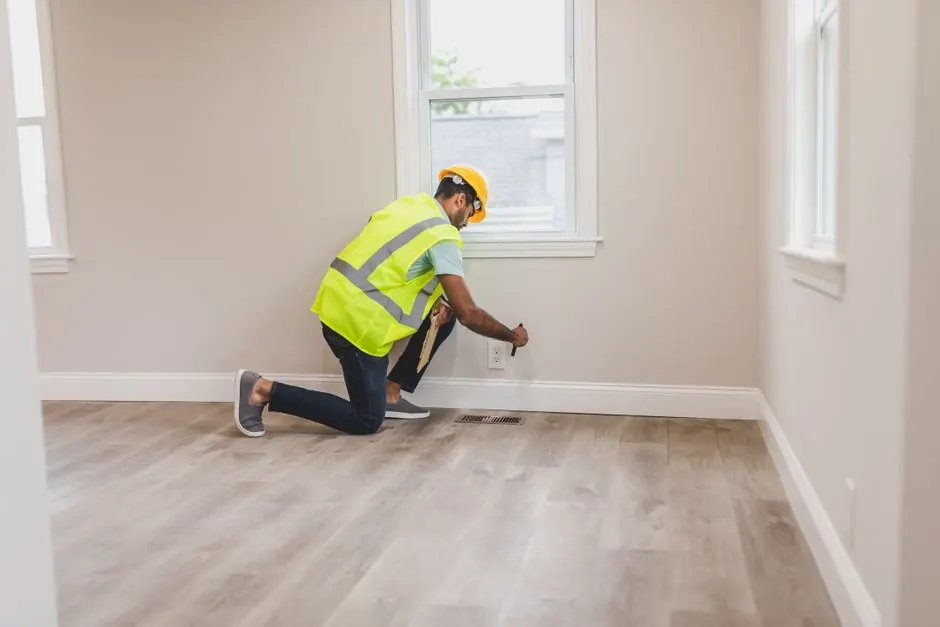
Charleston homes range from historic properties with crawl spaces and aging materials to newer residences with modern HVAC systems. A roof leak can wet attic insulation; a plumbing failure can leave drywall damp; and high indoor humidity can create condensation around cold equipment. Our residential team protects the rooms you still need to use, isolates the affected area, and removes mold-contaminated porous materials where cleaning is not effective. We check the moisture source before closing walls or replacing insulation. For residential mold removal in Charleston, South Carolina, we tailor the work to the home, whether the concern is a musty crawl space on James Island or a leak-damaged room in West Ashley.
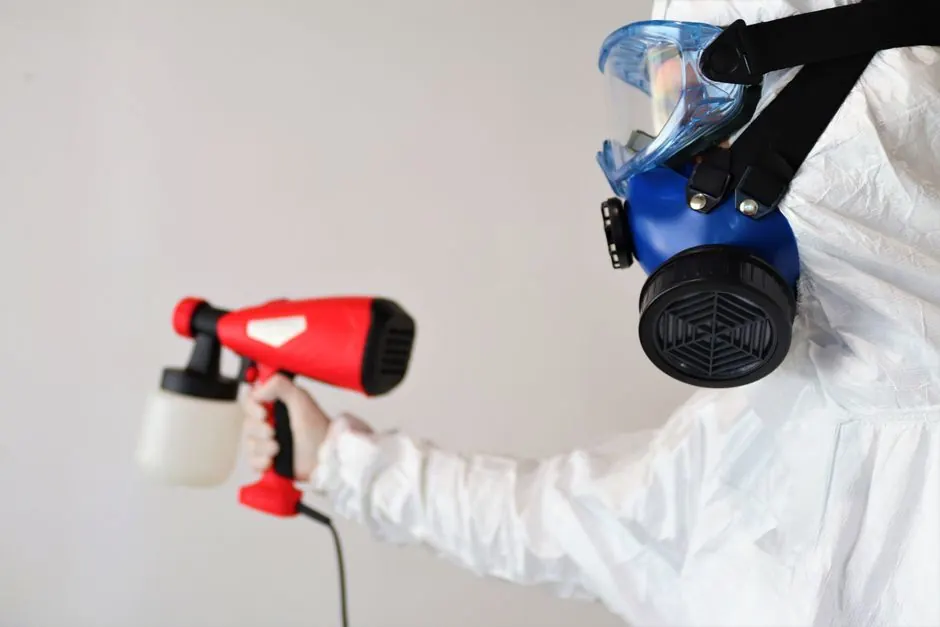
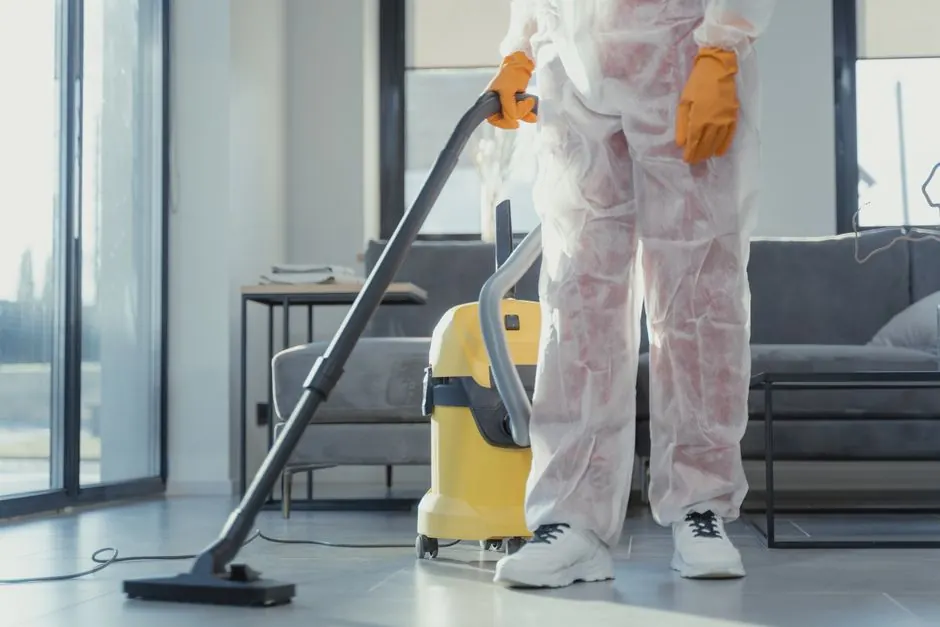
- Contained room cleanup — We separate the affected room from adjoining living spaces before removing damaged drywall, trim, or other porous material. In Charleston homes, this matters when a bathroom leak or roof stain sits beside a bedroom or hallway. HEPA filtration helps control dust during the work, and moisture checks guide the repair handoff.
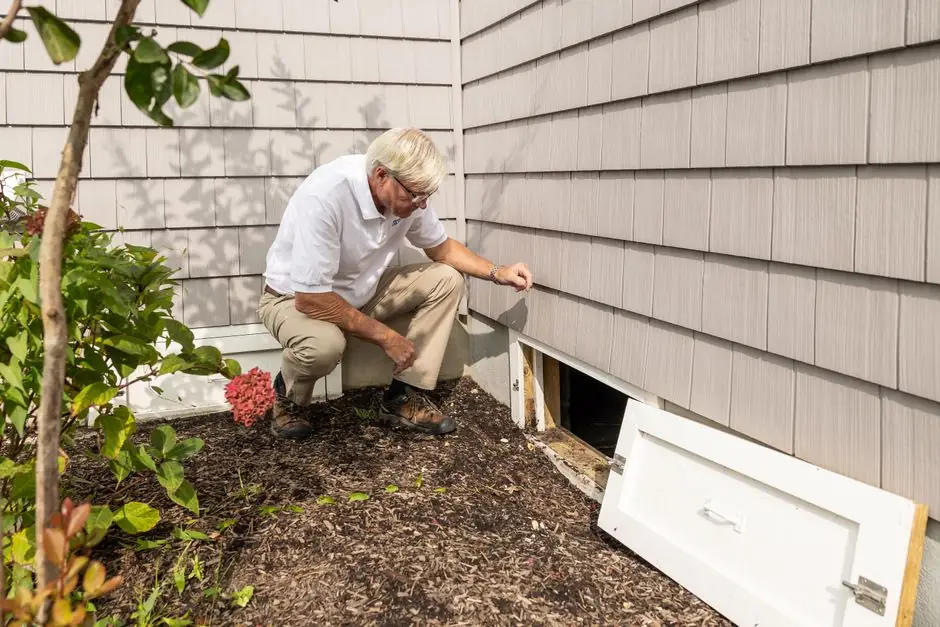
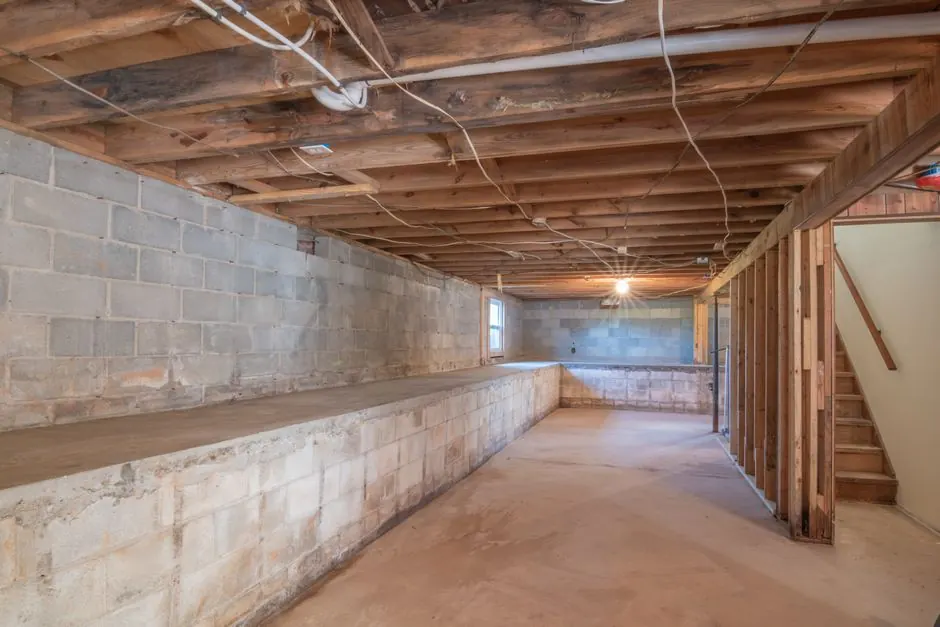
- Crawl space moisture removal — Our crew checks framing, insulation, and ground moisture in crawl spaces before choosing removal and cleaning steps. Charleston's humid conditions can keep enclosed areas damp after rain or a plumbing leak. We protect the entry path, remove affected materials, and explain what moisture controls are needed after cleanup.
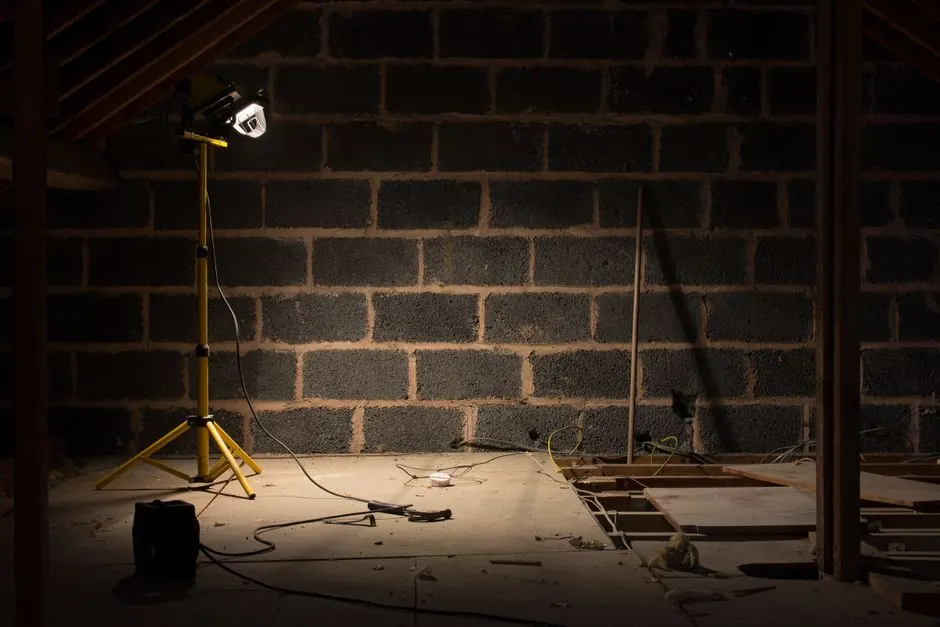
- Attic leak remediation — We inspect attic sheathing and insulation after roof water entry, then remove material that cannot be cleaned or dried effectively. The roof leak must be corrected before repairs proceed. We keep the work focused on the affected section and check the moisture condition before the area is closed.
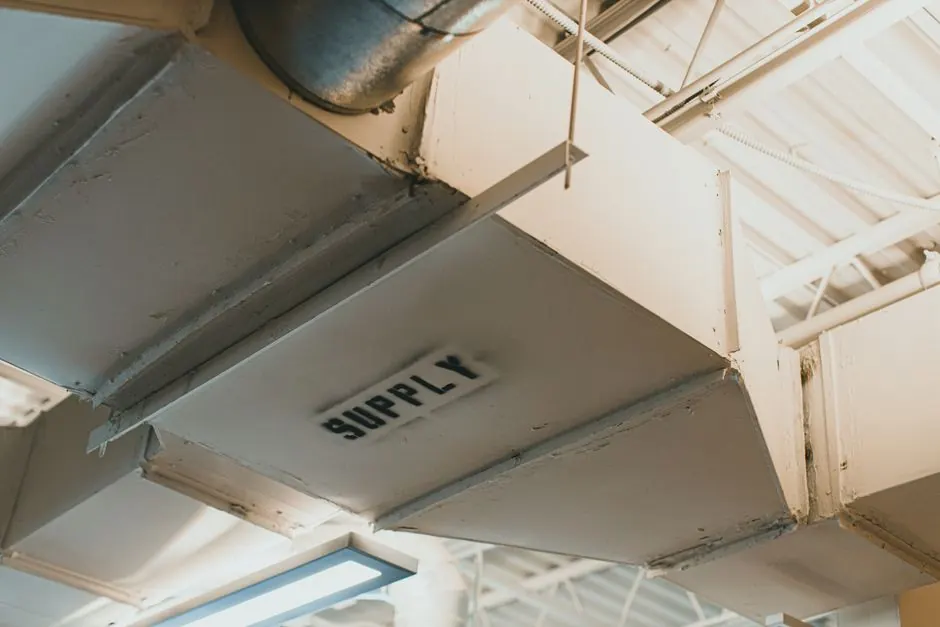
- HVAC-adjacent mold cleanup — When condensation appears around an air handler or duct connection, we inspect nearby surfaces and materials for dampness. Our Charleston team separates equipment-related moisture from a building leak, then contains and cleans or removes affected materials. This prevents a cosmetic wipe from hiding the underlying wet condition.