
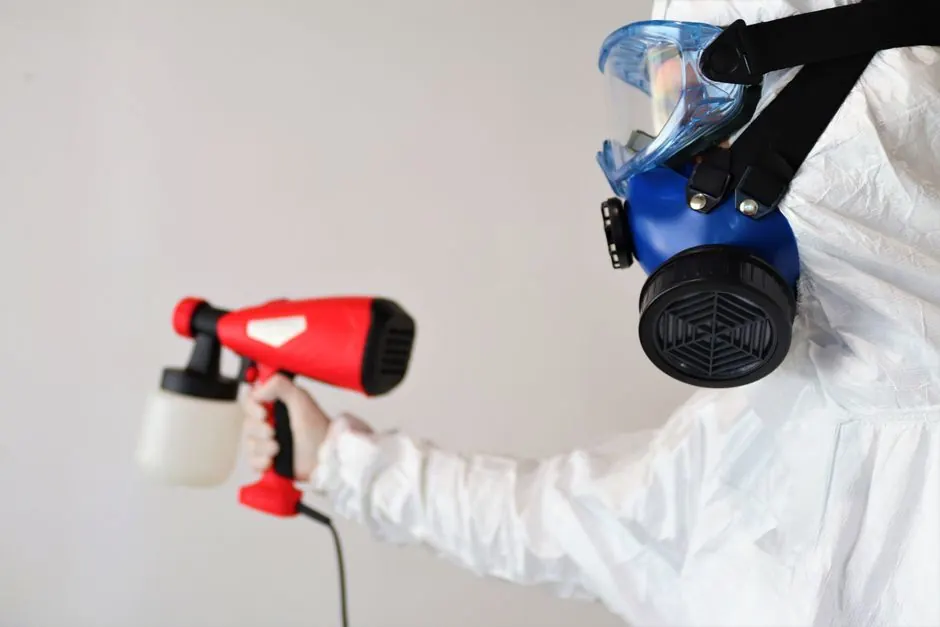
Mold remediation in South Carolina costs about $500 to $6,000 for many contained residential projects, while extensive contamination or flood-related work can exceed $10,000. Typical 2026 pricing depends most on the affected area, the material that must be removed, access, and whether the moisture source has been repaired. This guide breaks down common ranges, explains why crawl spaces and attics price differently, and shows what a useful estimate should include.
Mold Remediation Cost in South Carolina is the price of locating and containing mold, removing affected materials, cleaning the area, and addressing the moisture conditions that allowed growth. Our team works with homeowners and property managers across the state, where humid summers, heavy rain, and damp crawl spaces can turn a small leak into a larger cleanup.
How much does mold remediation cost in South Carolina?
Mold remediation in South Carolina commonly costs $500 to $6,000 for a limited residential cleanup, with large or complex projects reaching $10,000 to $30,000 or more. A small, accessible area behind a vanity may sit near the lower end; multiple rooms, contaminated insulation, or significant structural removal push the total up.
These ranges describe cleanup work, not every repair that might follow. Replacing drywall, flooring, insulation, cabinets, or framing can add to the bill, and the cost of fixing a plumbing leak or drainage problem is usually separate. A proper home mold removal estimate in South Carolina should distinguish remediation from rebuilding.
- Small contained area, such as a limited section of drywall: roughly $500-$1,500.
- One room or a moderate area with containment and material removal: roughly $1,500-$6,000.
- Multiple rooms, extensive hidden growth, or complex access: roughly $6,000-$15,000+.
- Major contamination after a building-wide water event: $10,000-$30,000+, depending on demolition and drying needs.
These are planning ranges, not flat prices: measurements, material condition, and the source of moisture change the job. For a better comparison, our Mold Remediation in South Carolina work starts with identifying what is affected rather than pricing only by the visible stain.
What factors affect the cost of mold removal?
The factors that affect the cost of mold removal in South Carolina are the size and location of growth, how deeply it has reached building materials, how easy the area is to access, and how much containment and disposal the work requires. The moisture source matters too: cleanup will not last if water keeps reaching the same wall, floor, or framing.
Square footage is a useful starting point, but it does not tell the whole story. Ten square feet of growth on an exposed, nonporous surface is a different job from ten square feet inside an insulated wall cavity, where drywall removal and careful isolation may be needed.
- Contamination area: A single cabinet panel takes less labor than growth across several rooms or a full crawl space.
- Porous materials: Wet drywall, carpet pad, and insulation often need removal; sound framing or masonry may be cleaned instead.
- Containment and access: Tight crawl spaces, high attic corners, and occupied buildings can require added protection and labor.
- Water damage: Standing water, soaked materials, and prolonged leaks require more drying and removal than a recent, contained leak.
- Testing and repairs: Inspection, sampling, leak repair, and reconstruction can add separate line items.
A professional inspection often costs about $200-$600, depending on the property and the work involved; laboratory sampling can add roughly $75-$150 per sample. Testing is not necessary for every visible mold problem, so we focus first on the source, affected materials, and the safest practical cleanup plan. If you want a clearer diagnosis before work, Mold Inspection and Assessment in South Carolina can help establish the extent of the issue.
How do crawl space, attic, and commercial projects compare?
Crawl space mold removal in South Carolina often falls around $1,500-$6,000, attic remediation around $1,000-$6,000, and commercial cleanup commonly starts near $2,000 and can exceed $20,000. These broad ranges reflect different access, ventilation, material, and occupancy needs-not a fixed price for every property.
Crawl spaces are especially vulnerable to damp soil, plumbing leaks, and humid air. A vapor barrier, drainage improvement, or dehumidifier may be part of the longer-term moisture plan, but those measures are not interchangeable with removing established mold. For homes with tight, damp underfloor areas, our Crawl Space Mold Remediation in South Carolina service addresses the contaminated area and the conditions contributing to it.
An attic mold remediation price estimate in South Carolina depends on roof ventilation, the amount of affected sheathing, and whether insulation needs removal. A small patch may cost under $2,000; widespread growth across roof decking can rise to $5,000-$10,000 or more if access, cleaning, and replacement work are extensive.
Commercial mold remediation pricing in South Carolina varies with building size, operating hours, tenant needs, and how much of the building must remain usable during work. A contained office or storage-room cleanup may cost a few thousand dollars, while a large facility with multiple affected zones can reach tens of thousands. Our team serving Mold Remediation in Charleston sees how coastal humidity and storm-driven water intrusion can make prompt moisture control especially important for local properties.
What happens during a mold estimate and cleanup?
A mold remediation contractor estimate in South Carolina should connect the visible problem to its moisture source, describe the affected materials and area, and explain the planned containment, removal, and cleaning steps. We inspect the reported area, look for signs of hidden moisture, and explain which parts of the work address mold and which involve repairs.
The cost of mold inspection and remediation in South Carolina is easier to understand when the estimate separates assessment, cleanup, disposal, drying, and reconstruction. Ask how the contractor will protect nearby rooms, what materials they expect to remove, and how they will confirm the work area is clean. One clear price breakdown helps you compare bids on the same scope.
For many contained jobs, remediation takes one to three days. A larger project involving demolition, drying, and several rooms may take a week or longer, particularly if materials need time to dry before rebuilding. The timeline depends on the amount of water and the building materials involved.
To get a mold removal estimate from a local contractor, share where you see growth, when you first noticed it, any leak or flood history, and whether the area smells musty. Photos can help with an initial conversation, but they cannot show what is behind a wall or beneath flooring. We provide upfront pricing after evaluating the work area.
Common cost mistakes and what to watch out for
South Carolina homeowners can spend more than necessary by treating the visible spot while leaving the leak, humid air, or wet building material in place. Mold often returns when the moisture source remains, so the lowest initial quote is not always the least expensive solution.
Be cautious of a price offered from a photo alone for a complicated job, or a proposal that says only "remove mold" without naming the areas and materials involved. A low price may omit containment, disposal, or follow-up drying; an unnecessarily broad plan may also add work that the observed conditions do not justify.
For a useful comparison, make sure each estimate addresses the same key questions:
- What area and materials are included?
- How will the crew contain dust and debris?
- What moisture source needs correction?
- Does the price include removal, cleaning, and disposal?
- Are inspection, testing, drying, or rebuilding separate?
Do not paint over growth or use household bleach as a substitute for removing contaminated porous material. Fix a dripping supply line, roof leak, or drainage issue promptly; waiting through another humid stretch or storm can enlarge the affected area and increase removal costs.
When should you call a mold remediation professional?
South Carolina homeowners should call a mold remediation professional when growth covers more than about 10 square feet, keeps returning, follows a flood or sewage backup, or appears inside a wall, attic, crawl space, or HVAC system. The Environmental Protection Agency uses approximately 10 square feet as a practical point at which professional guidance is appropriate for many situations.
Call sooner if the building has soaked insulation, a persistent musty odor, or water damage that has not dried within 24-48 hours. Our team at South Carolina Mold Remediation can inspect the affected area, explain the cleanup options, and identify what needs attention before a small issue spreads.
Frequently Asked Questions
How much does mold remediation cost in South Carolina?
Many South Carolina residential projects cost $500-$6,000, while extensive or flood-related cleanup can exceed $10,000. The final amount depends on affected square footage, hidden contamination, access, containment, and material removal. Repairs such as replacing drywall or flooring can add to remediation costs.
What factors affect the cost of mold removal?
Area size, affected materials, depth of contamination, access, containment, disposal, and moisture repairs all affect the price. A small surface cleanup can cost hundreds, while mold inside walls or across a crawl space can require several thousand dollars. Testing and reconstruction may be additional items.
Does mold remediation cost more after flooding?
Yes. Flood-related remediation often costs $3,000-$15,000 or more because water can affect several rooms, insulation, flooring, and wall cavities. Sewage-contaminated water and long periods of dampness add handling and removal needs. Quick extraction and drying within 24-48 hours can limit further damage.
Can I get an estimate before mold cleanup begins?
Yes. A contractor can inspect the affected area and provide a price estimate before cleanup begins; straightforward projects may be assessed in one visit. Hidden moisture or concealed growth can change the scope once materials are opened, so the estimate should explain what work it covers and what conditions could alter it.
Does homeowners insurance cover mold remediation costs?
Insurance may cover mold cleanup when it results from a covered, sudden water event, such as a burst pipe, subject to your policy and deductible. Gradual leaks, maintenance problems, and flooding are often treated differently. Contact your insurer promptly, document damage with photos, and keep receipts for emergency drying.
Get help with Mold Remediation in South Carolina
If you are comparing mold cleanup pricing in South Carolina, we can inspect the affected area and explain the work needed to stop the moisture problem and remove contaminated materials. Call South Carolina Mold Remediation at +1 (803) 812-0162 to discuss your property and arrange an estimate.