
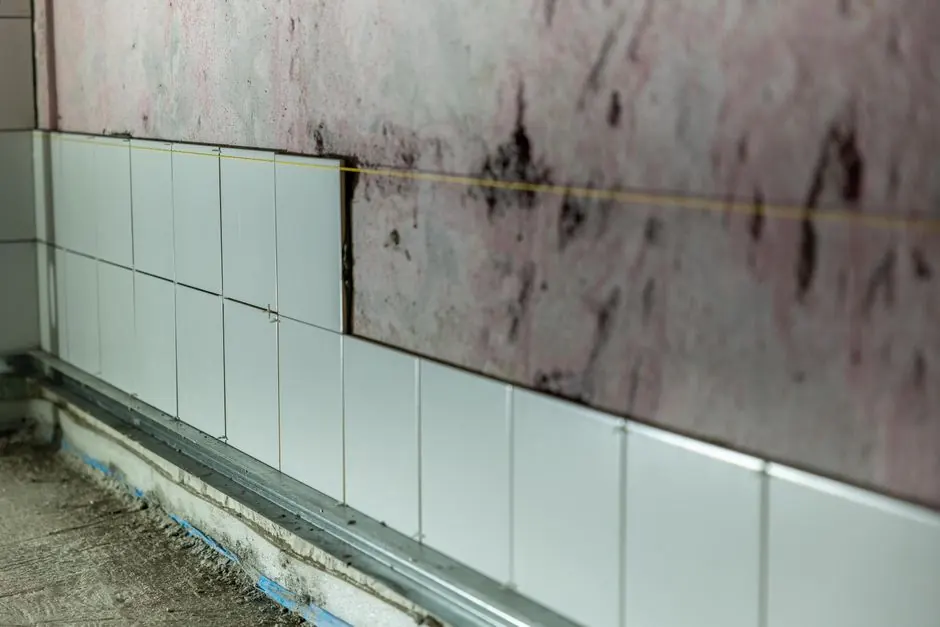
If you find mold after flooding in South Carolina, keep people out of the affected area, avoid disturbing the growth, and arrange a prompt inspection and drying plan. If the water came from a river, creek, storm surge, or sewage backup, do not clean it yourself; contaminated floodwater needs careful handling. The steps below explain how to limit spread, what can sometimes be saved, and when professional help is the safer choice.
Our team at South Carolina Mold Remediation helps homeowners trace moisture beyond the visible stain, because mold can grow behind baseboards and inside wall cavities after a room looks dry. "Mold After Flooding in South Carolina" is a post-flood mold remediation problem that requires identifying damp materials, containing affected areas, and removing or cleaning materials based on contamination and condition.
What to do if you find mold after flooding in South Carolina
After flooding in South Carolina, isolate the affected room, protect yourself from contact, and have hidden moisture assessed before rebuilding. If there is standing water near electrical outlets, a sagging ceiling, or a gas odor, leave the building and contact the appropriate utility or emergency service first.
Do not sweep, scrape, or vacuum visible mold. Those actions can send spores and debris into the air, while a household vacuum without a suitable HEPA filter can spread contamination to other rooms.
Take photos from a safe distance for your records, then note where water reached and how long materials stayed wet. Share whether the water was clean supply water or floodwater; that distinction changes what a safe cleanup involves. Our Mold Remediation in South Carolina work starts with understanding that history, not just looking at the visible patch.
- Keep children, pets, and anyone with asthma or a weakened immune system away from affected areas.
- Do not run central heating or air conditioning if mold or wet debris may be near the return or ductwork.
- Do not mix bleach with ammonia or other cleaners; the combination can release dangerous gases.
- Keep wet belongings separate from dry rooms and do not carry moldy items through clean areas uncovered.
Wear gloves and avoid touching contaminated water or mold directly. A basic dust mask is not a substitute for a controlled cleanup after sewage or outdoor floodwater exposure.
Why mold appears so quickly after floodwater enters a home
Floodwater and mold growth become a concern when building materials remain damp, and mold can begin developing within 24 to 48 hours under favorable conditions. Warm, humid weather, common across South Carolina from late spring through early fall, can make drying harder even after water is pumped out.
Visible growth is only part of the picture. Water can travel under vinyl flooring, wick up drywall, soak insulation, and collect in wall cavities; a dry surface does not prove the material behind it is dry.
For a water-damaged home mold inspection, we look for moisture patterns as well as visible discoloration. A moisture meter can help compare suspect areas with dry reference areas, while a thermal camera can help locate temperature differences that suggest hidden dampness; neither tool alone identifies mold species.
Humidity matters too. Indoor relative humidity above 60% encourages persistent dampness, while keeping it near or below 50% during drying is a practical target when conditions allow. In coastal areas such as Charleston, humid air can slow evaporation, and homes in Mold Remediation in Charleston service areas may need dehumidification even after outdoor weather turns dry.
How to reduce mold growth after floodwater enters a house
To reduce mold growth after floodwater enters a house, remove standing water safely, increase controlled airflow, and dry wet materials as soon as the building is safe to enter. Speed matters, but blowing air directly across visible mold or contaminated debris can spread particles.
For clean water from a broken supply line, you may be able to remove small amounts of water with a wet vacuum if electricity and the surrounding area are safe. Floodwater from outside, storm surge, or sewage can carry pathogens and chemicals; keep people out and leave extraction and contaminated-material handling to trained crews.
Once the area is safe, use a dehumidifier and fans positioned to move air through clean, contained areas. Empty dehumidifier reservoirs frequently or use a drain hose. Check the affected area at least twice daily during active drying and record readings so you can see whether moisture is falling rather than guessing from touch.
Open windows only when outdoor air is drier than indoor air and weather conditions allow. On humid South Carolina days, open windows can add moisture rather than remove it. Avoid heaters or open flames as a drying shortcut; excessive heat can damage finishes and does not remove water trapped inside a wall.
Our Mold Inspection and Assessment in South Carolina service can help map affected areas before you close walls or replace flooring. An inspection is especially useful when water reached more than one room, the source was contaminated, or a musty odor remains after visible water disappears.
What materials may need removal after flood damage
After flood damage in South Carolina, porous materials that absorbed contaminated water or remain moldy after drying often need removal, while sound, nonporous items may be cleaned and dried. The decision depends on the water source, how long the material stayed wet, and whether it can be cleaned throughout-not just on the surface.
Drywall, carpet padding, insulation, particleboard, and upholstered furniture are difficult to clean fully once soaked. Floodwater contamination raises the risk further. Removing affected sections in a controlled way can expose the cavity, let the framing dry, and prevent mold from being sealed behind new finishes.
Concrete, metal, glass, and some solid wood surfaces can often be cleaned if they are structurally sound and accessible. Wood framing may be salvageable when it is not warped or decayed and can be cleaned and dried thoroughly. A professional may check moisture levels before recommending that a wall be closed.
- Often removed: wet carpet pad, waterlogged insulation, swollen particleboard, and heavily contaminated drywall.
- Sometimes salvageable: solid wood, metal, glass, and washable hard surfaces, depending on contamination and condition.
- Needs close assessment: cabinets, hardwood flooring, plaster, and materials with dampness trapped beneath them.
Do not assume that spraying a surface cleaner makes a porous material safe. If a flood affected a large area, spread through several rooms, or involved sewage, professional containment and removal are safer than a do-it-yourself tear-out.
Common mistakes during South Carolina post-flood mold cleanup
Common post-flood cleanup mistakes in South Carolina include covering wet materials, spreading mold with fans, and treating contaminated floodwater like a small clean-water spill. Each can turn a limited repair into a larger cleanup.
Paint, caulk, or new flooring will not solve moisture trapped behind a finish. If a musty odor returns or a stain reappears, moisture remains or the affected material was not fully addressed.
Another mistake is relying on bleach for porous materials. Bleach may lighten a stain without removing growth inside drywall or wood, and it can create irritating fumes. Use products only as directed and never mix cleaning chemicals.
Homeowners also sometimes switch the HVAC system back on too soon. If moldy debris entered a return or duct, the system can distribute particles. Have the affected area assessed before using the system if there is visible growth near vents or a persistent odor from the registers.
Finally, do not start replacing materials before documenting flood damage. Photographs, moisture readings, and a record of the water source help you explain what happened to your insurer and keep the repair sequence clear.
When should you hire a mold remediation company after flooding?
Hire a mold remediation company after flooding when mold covers more than a small isolated area, contaminated water entered the home, moisture is hidden, or occupants have health concerns. The U.S. Environmental Protection Agency commonly advises professional help when mold covers more than about 10 square feet, roughly a 3-by-3-foot patch.
That threshold is a useful guide, not a reason to ignore a smaller area after sewage exposure or a flood that soaked wall cavities. Bring in help sooner if you see mold on multiple surfaces, the odor persists, the HVAC system may be affected, or materials have stayed wet for more than 48 hours.
Professional mold cleanup after flooding in South Carolina usually involves identifying the water source, setting containment where appropriate, removing unsalvageable materials, cleaning remaining surfaces, and using drying equipment. Our technicians explain what is affected and why, then work to keep debris and dust from traveling into clean parts of your home.
For homes in the Midlands, Mold Remediation in Columbia may be relevant after heavy rain overwhelms drainage or water enters lower-level rooms. We also help homeowners in surrounding communities assess post-flood moisture before repairs cover up the evidence.
South Carolina Mold Remediation can inspect a water-damaged home, identify likely areas of hidden moisture, and carry out cleanup when materials cannot be saved. If you are unsure whether the visible patch is the whole problem, contact our team before you start demolition.
Frequently Asked Questions
What should I do if I find mold after flooding in South Carolina?
Keep people away, avoid disturbing the mold, and arrange an inspection as soon as possible-ideally within 24 to 48 hours of discovering damp materials. Photograph the area and record whether the water came from a clean pipe or outside flooding. Do not run HVAC equipment near affected growth or attempt to clean sewage-contaminated materials yourself.
How soon should a flooded home be inspected for mold?
Inspect a flooded home as soon as it is safe to enter, preferably within 24 to 48 hours after water exposure. Mold can begin growing during that window when materials stay wet. Check behind baseboards and flooring where water traveled, and arrange a professional assessment if hidden moisture, a musty odor, or visible growth remains.
Can flood-damaged materials be cleaned instead of removed?
Yes, some materials can be cleaned, especially nonporous surfaces such as metal, glass, and sound concrete, but porous materials soaked with contaminated water often need removal. Solid wood may be salvageable if it is structurally sound and can dry fully. The water source, exposure time, and material condition determine the safest choice.
When should I hire a mold remediation company after flooding?
Hire a company when mold affects more than about 10 square feet, floodwater involved sewage or outdoor contamination, or moisture is hidden behind walls or flooring. Call sooner if the HVAC system may be contaminated or someone in the home has asthma or a weakened immune system. Early containment can reduce spread during repairs.
Can I enter my home during post-flood mold cleanup?
Sometimes, but stay out of contained work areas and follow the crew's instructions throughout cleanup. Do not enter if floodwater created electrical hazards, sewage contamination, unstable flooring, or airborne debris. Children, pets, and people with respiratory conditions should remain away until the affected area is cleaned, dried, and cleared for normal use.
Get help with Mold Remediation in South Carolina
If floodwater left visible mold or a musty smell in your home, South Carolina Mold Remediation can help identify the affected materials and plan safe cleanup. Call +18038120162 to discuss mold remediation after a flood.