
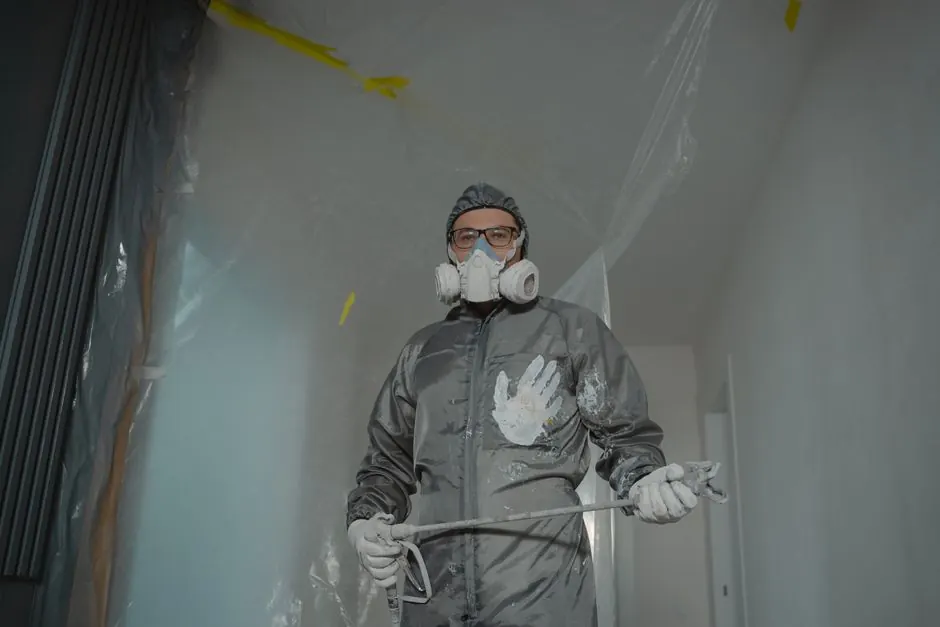
Professional mold remediation follows a clear sequence: we locate and address the moisture, isolate the affected area, remove or clean contaminated materials, dry the structure, and check that the work area is ready to return to normal use. The process protects unaffected rooms while removing the conditions mold needs to grow. This guide explains the inspection, containment, cleanup, timelines, and what you can do before our crew arrives.
Professional mold remediation is a controlled cleanup and moisture-correction process that removes mold growth and limits its spread when a home has affected materials or persistent dampness. In South Carolina, warm, humid weather and heavy rain can leave moisture behind walls, beneath flooring, or in crawl spaces long after a leak appears to stop.
Our team starts with the source, not just the visible stain. If you need a broader overview of Mold Remediation in South Carolina, our approach connects inspection, cleanup, and moisture control rather than treating discoloration as a stand-alone problem.
What happens during professional mold remediation?
Professional mold remediation in South Carolina begins with an inspection, moisture-source investigation, containment plan, removal or cleaning, drying, and a final review. Each step responds to the size and location of the affected area.
We look beyond the patch you can see. A water mark on drywall can point to a roof leak, a plumbing connection, condensation, or damp insulation, and the cause needs attention before the repair can last.
During the initial assessment, we identify visible growth, check moisture in nearby materials, and map out the work zone. A pin or pinless moisture meter can help compare damp areas with dry material; readings are interpreted alongside the building conditions, not as a mold test by themselves.
We explain the work area and the sequence before cleanup begins. If the issue is in a lived-in room, our Residential Mold Removal in South Carolina work is planned around protecting nearby furnishings and keeping the rest of your home usable where conditions allow.
The professional mold removal process commonly includes these steps:
- Find and stop the moisture source, such as a plumbing leak or roof intrusion.
- Set containment and protect the route used to move materials out.
- Remove porous materials that cannot be cleaned effectively; clean salvageable surfaces.
- Use filtration and controlled drying to manage airborne dust and remaining moisture.
- Review the cleaned area and explain any repair or monitoring needs.
Not every project needs every tool or test. The mold cleanup steps should match what the inspection finds, rather than following a one-size-fits-all checklist.
How do contractors contain mold during cleanup?
Contractors contain mold during cleanup by separating the work area with plastic barriers, controlling airflow, using filtration, and bagging debris before it travels through the home.
For a room-level project, we close off doors or build a temporary enclosure with polyethylene sheeting and sealed seams. A zipper entry gives our crew a controlled way in and out, while floor protection helps keep the exit route clean.
When the work requires it, negative air pressure draws air from the contained zone through a HEPA-filtered air scrubber and exhausts it safely outside. A HEPA filter captures particles down to 0.3 microns at 99.97% efficiency under its test conditions; the equipment setup still needs to fit the layout and source of contamination.
We wear appropriate protective equipment and remove debris in sealed bags. We do not dry-sweep or use an ordinary household vacuum on mold-contaminated material, because those actions can put settled particles back into the air.
In coastal communities, frequent humidity and wind-driven rain can complicate drying and airflow decisions. For homes facing those conditions, our local Mold Remediation in Charleston work accounts for the way damp weather can affect exposed materials and crawl spaces.
How long does professional mold removal take?
A small, contained room often takes 1-3 working days to remediate, while larger projects or wet building materials can take several days to a week or longer, including drying.
The cleanup itself is only part of the clock. Removing a limited section of affected drywall may take a day, but drying framing, correcting a leak, or coordinating reconstruction can extend the total time. We separate remediation from rebuilding so you know which work is happening at each stage.
In South Carolina, indoor humidity and rainy weather can slow the drying of materials, especially in crawl spaces and rooms with limited air movement. Dehumidifiers and air movers help, but we judge progress by moisture conditions, not by running equipment for an arbitrary number of hours.
Typical 2026 pricing for professional remediation in South Carolina can range from about $500-$1,500 for a small, straightforward area to $2,000-$6,000 or more for larger or concealed contamination. Access, material removal, containment, and drying needs affect the final cost; we explain pricing upfront before the work proceeds.
Those ranges describe remediation work, not a guaranteed total for every home. Extensive water damage, HVAC contamination, or rebuilding can change the project size. The Mold Inspection and Assessment in South Carolina process helps define where growth and moisture are present before the cleanup plan is set.
Preparing your home for remediation
Preparing your home for mold remediation means clearing the agreed work zone, protecting valuables, and keeping people and pets away from the contained area.
Before the crew arrives, move small belongings from the work zone if you can do so without disturbing moldy materials. Do not scrape, brush, or bag visible growth yourself; disturbing it can spread dust into rooms that were not affected.
- Keep children, pets, and visitors out of the work area.
- Move medications, documents, and valuables from the immediate work zone.
- Leave access to the leak, crawl-space entry, attic hatch, or affected wall clear.
- Tell us about recurring leaks, past repairs, and any room that smells musty after rain.
You usually do not need to leave the entire house for a small, contained project. If the affected area includes a bedroom, the home has extensive contamination, or the HVAC system is involved, we will discuss whether staying elsewhere is the safer practical choice during active work.
Common mistakes that can undo mold cleanup
Common mold cleanup mistakes include painting over growth, using bleach as a substitute for removal, and leaving the moisture source unrepaired.
Paint does not remove mold from drywall or wood. A fresh coat can hide discoloration briefly while damp material remains behind it, so the stain often returns when moisture persists.
Bleach is not a universal fix for porous building materials. It can lighten a surface without removing mold roots embedded in drywall, insulation, or other absorbent material; damaged porous material often needs removal and replacement after the source is corrected.
Other setbacks include running a fan across an uncontained work zone, leaving wet carpet padding in place, or closing a wall before framing has dried. A musty smell after cleanup is a reason to check for remaining dampness or hidden materials, not to cover the odor with fragrance.
Keep the repair focused on moisture control. A bathroom fan that vents into an attic, a slow plumbing drip, or a gutter that directs water toward the foundation can keep feeding the same problem even after visible mold is gone.
When to call a professional
South Carolina homeowners should call a mold professional when growth covers more than about 10 square feet, keeps returning, follows a sewage or flood event, or appears in an HVAC system or concealed building cavity.
The 10-square-foot figure is a practical reference used in federal mold guidance for deciding when larger-area precautions are warranted; it is not a legal threshold for every situation. A smaller patch can still require professional help if it is tied to a persistent leak, affects a sensitive occupant, or sits in a hard-to-reach area.
Call promptly if you see growth after a roof leak, find damp insulation in an attic, or notice a musty odor near a crawl-space access. We at South Carolina Mold Remediation can inspect the affected area, trace the moisture, and explain the cleanup work your home needs.
Frequently Asked Questions
What happens during professional mold remediation?
Most projects follow five steps: inspect, control moisture, contain the work area, remove or clean affected materials, then dry and review the space. The work plan depends on the material and extent of growth. We also explain whether repairs or continued moisture monitoring are needed after remediation.
How do contractors keep mold from spreading during cleanup?
Crews use sealed plastic containment, controlled entry, HEPA filtration, and sealed debris bags to limit spread. Negative air pressure is used when the work area and layout call for it. Keeping people out and avoiding fans directed across affected surfaces also helps protect clean rooms.
Do I need to leave my home during mold removal?
For a small, isolated project, many households can stay in the home while avoiding the work zone. You may need to relocate temporarily if remediation affects a bedroom or major living area, involves extensive contamination, or disrupts HVAC service. We discuss access and occupancy before work starts.
How long does a mold remediation project take in South Carolina?
A small contained job often takes 1-3 working days, while larger projects can take a week or longer when drying or material removal is extensive. Humidity, rain, access, and the time needed to correct the water source all affect the schedule.
What should happen after mold remediation is finished?
After cleanup, the affected area should be visibly clean, damaged materials should be addressed, and moisture should be controlled. We review the work area and explain any remaining repair or drying needs. Keep the original leak fixed and watch for renewed dampness or musty odor.
Get help with Mold Remediation in South Carolina
If mold keeps returning or a leak has left wet building materials behind, South Carolina Mold Remediation can inspect the source and carry out a controlled cleanup. Call +1 (803) 812-0162 to talk through your mold remediation needs.