
Residential Mold Remediation for Island Homes
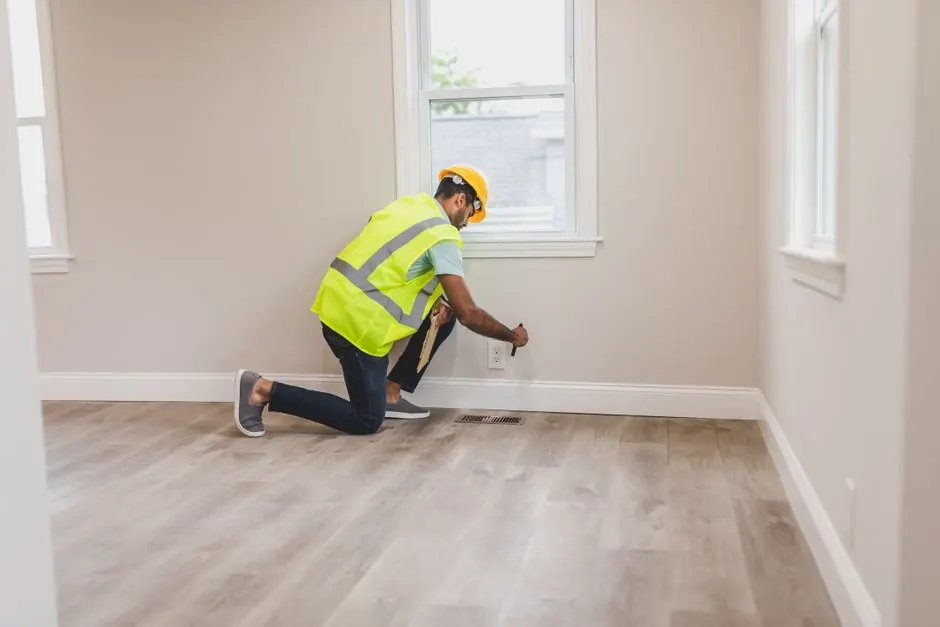
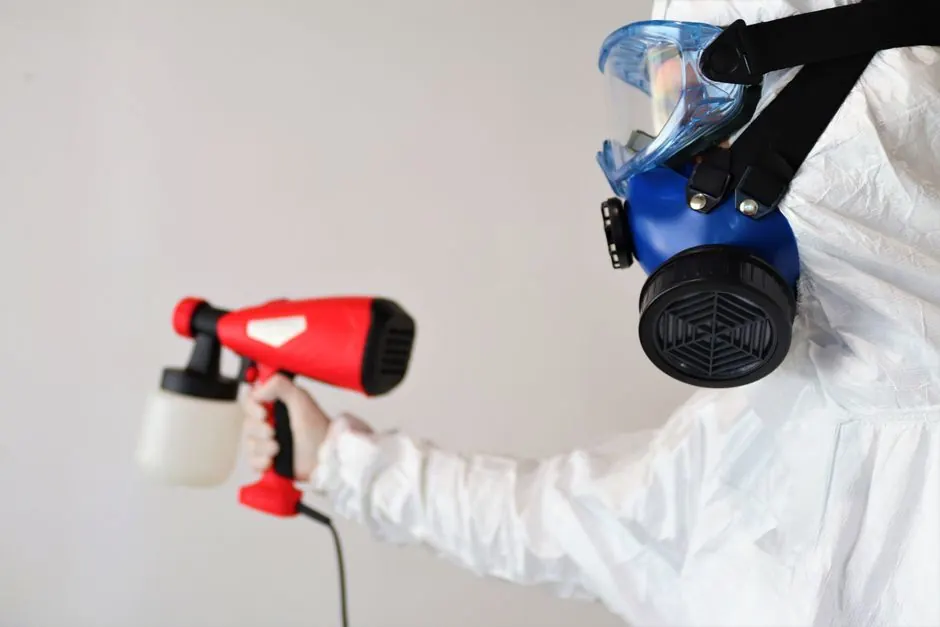
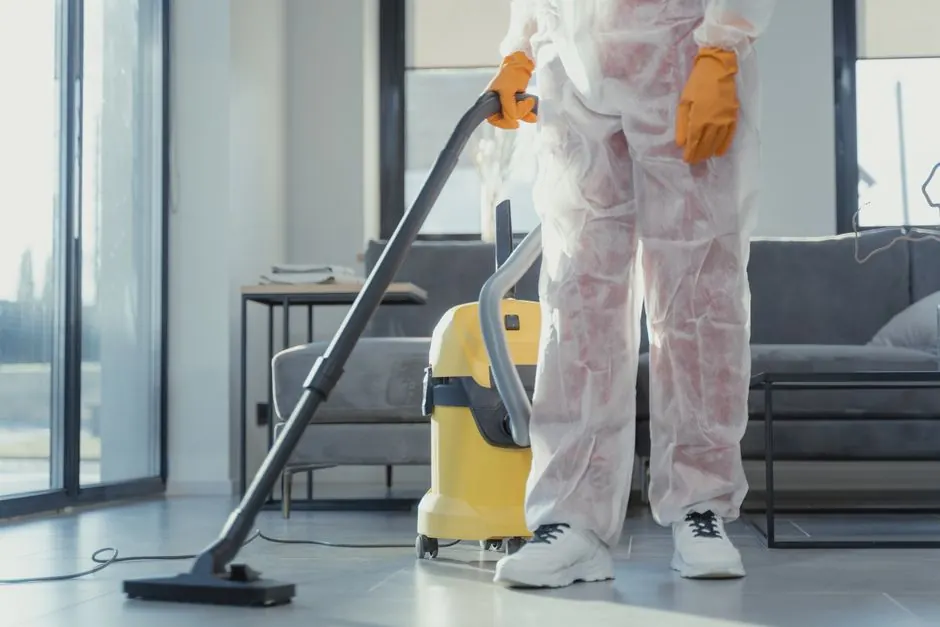
Hilton Head Island homes range from year-round residences to condos and vacation properties that may remain closed between visits. That occupancy pattern matters: a slow plumbing leak can sit behind a vanity, while a roof leak may not be noticed until the next stay. Our residential mold removal in Hilton Head Island, South Carolina, starts by finding the wet area and identifying which materials can be cleaned. We protect floors and belongings, establish containment when the work requires it, and keep you informed if you are managing the project remotely. We also inspect attics, crawl spaces, bathrooms, closets, and HVAC areas when the symptoms point beyond the visible stain. Once cleanup is complete, we provide the moisture findings and practical next steps for repair or monitoring.
- Room containment and cleanup — We isolate affected rooms when removal or cleaning could release dust, then protect nearby flooring and furnishings. In a Hilton Head Island home, our plan accounts for occupied spaces, guest areas, and access through finished interiors. The cleanup area follows inspection findings rather than an arbitrary room boundary.
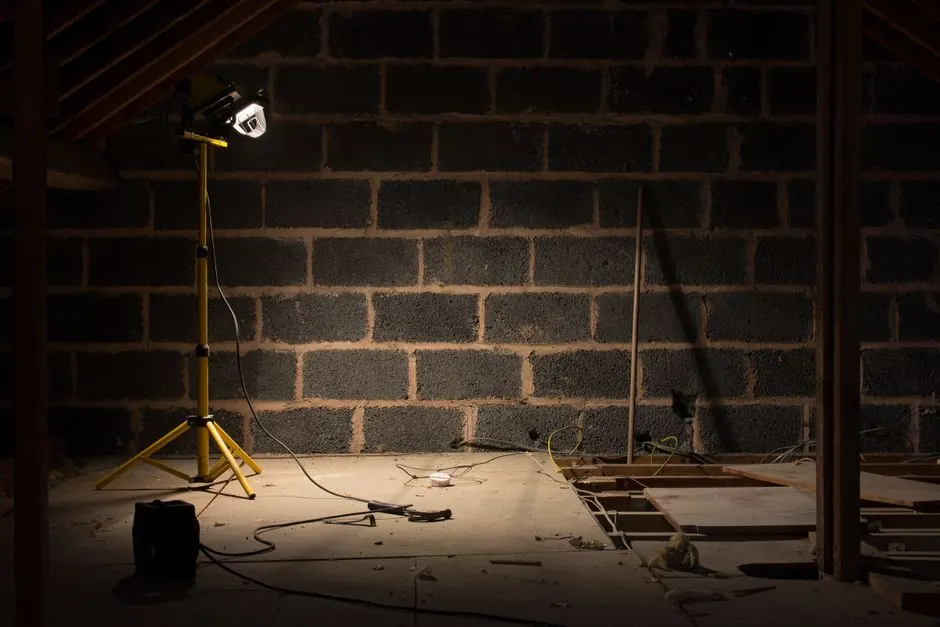
- Attic leak and mold cleanup — After a roof leak, we inspect attic insulation, sheathing, and framing for dampness and visible growth. We remove contaminated porous material when it cannot be cleaned, then dry and clean retained surfaces. Your roofer can address the entry point while we document the affected interior area.
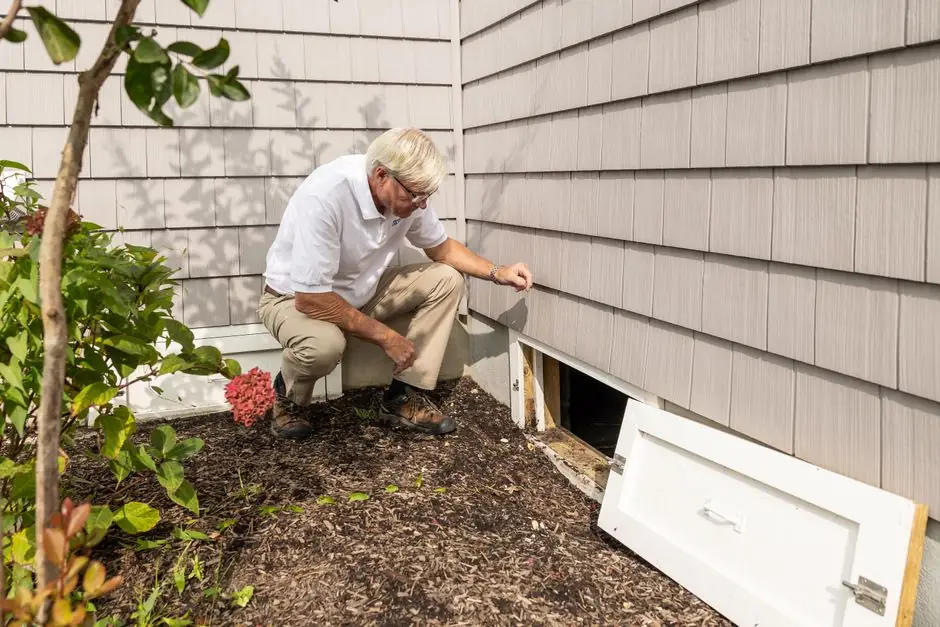
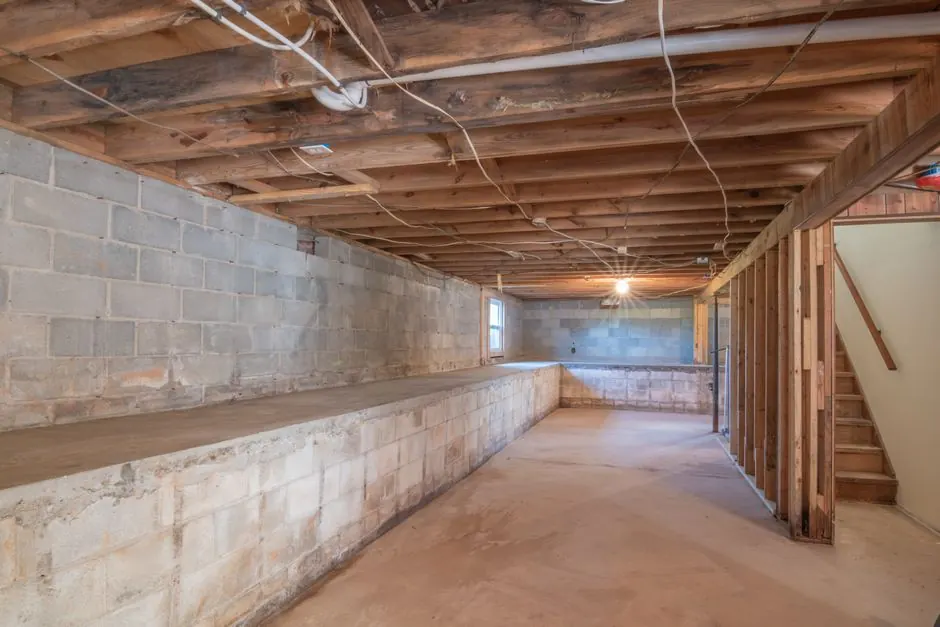
- Crawl space moisture assessment — We inspect crawl space framing, insulation, plumbing, and ground moisture before disturbing materials. If insulation is wet or contaminated, we define the removal area and check the existing vapor barrier. Our team explains which moisture-control repairs should happen before replacement materials go in.
- Post-leak interior remediation — A cabinet, bathroom, or appliance leak can affect drywall and trim before a stain appears. We check adjacent materials with a moisture meter, contain the work zone if needed, and remove damaged porous materials. You receive a clear explanation of cleanup and drying before finish repairs proceed.