


Residential Mold Remediation for Landrum Homes
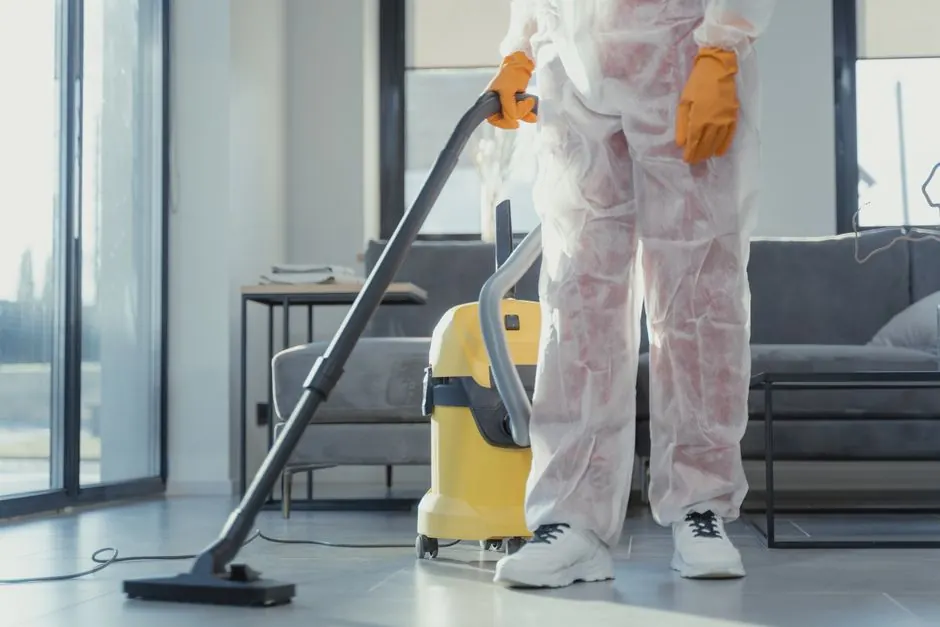
Residential mold calls in Landrum often begin with a musty room, a ceiling stain after rain, or damp insulation beneath a home. The area's housing includes older town properties, detached homes on wooded lots, and newer construction, each with different attic and crawl space access. We check whether the issue follows a plumbing leak, roof entry, or high indoor humidity before removing materials. Residential Mold Removal protects your usable rooms by keeping the work boundary clear and explaining what can be cleaned versus what needs replacement. If your family is living in the home during work, we plan the route, containment, and daily access around the affected room. The result is a focused cleanup and a practical next step for drying and repair.
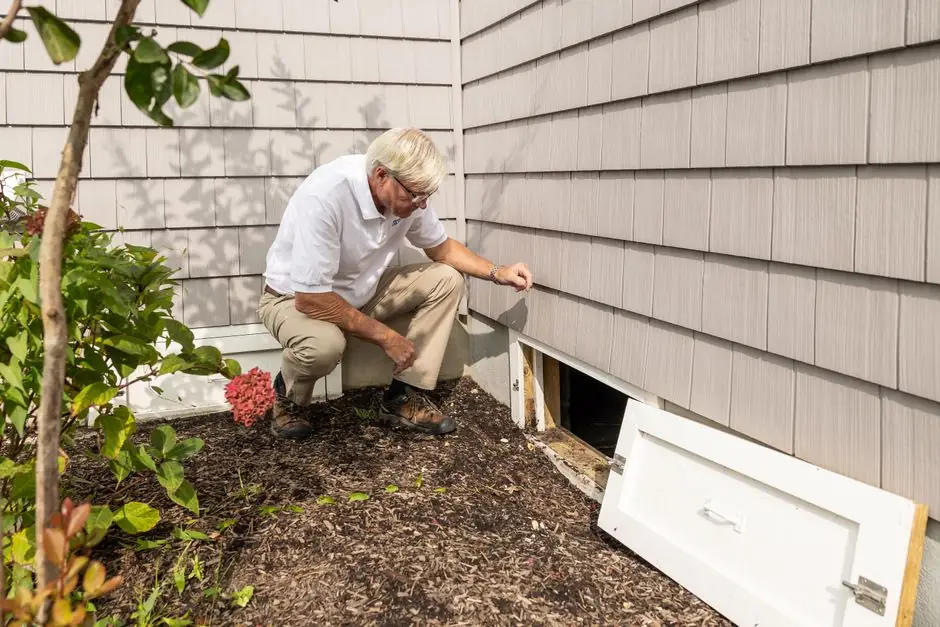
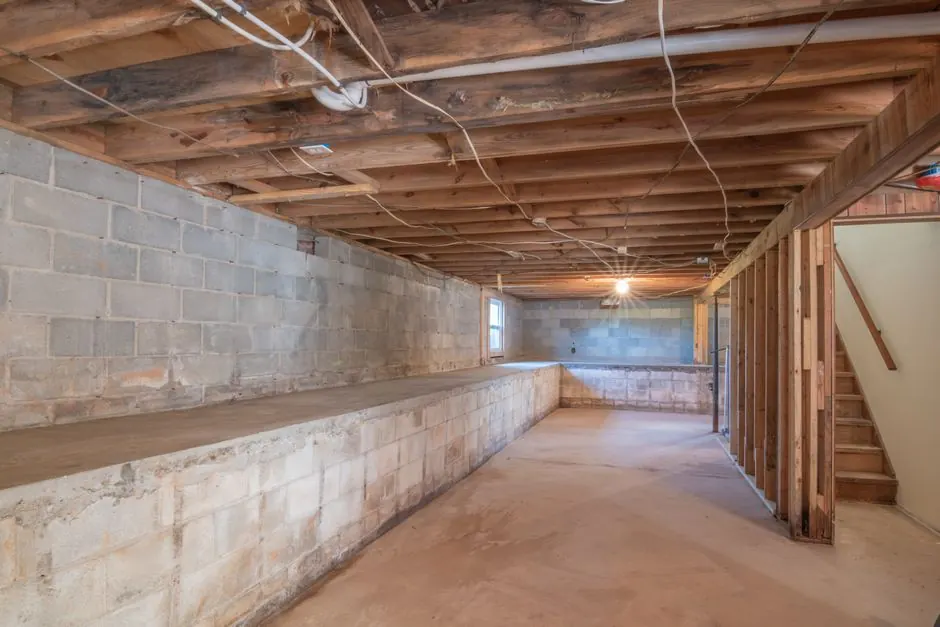
- Crawl space moisture cleanup — We inspect accessible joists, insulation, and ground conditions beneath Landrum homes before deciding what must be removed. If porous insulation is wet or contaminated, we take it out and clean suitable framing. We also identify the moisture source and discuss whether a vapor control measure fits the crawl space.
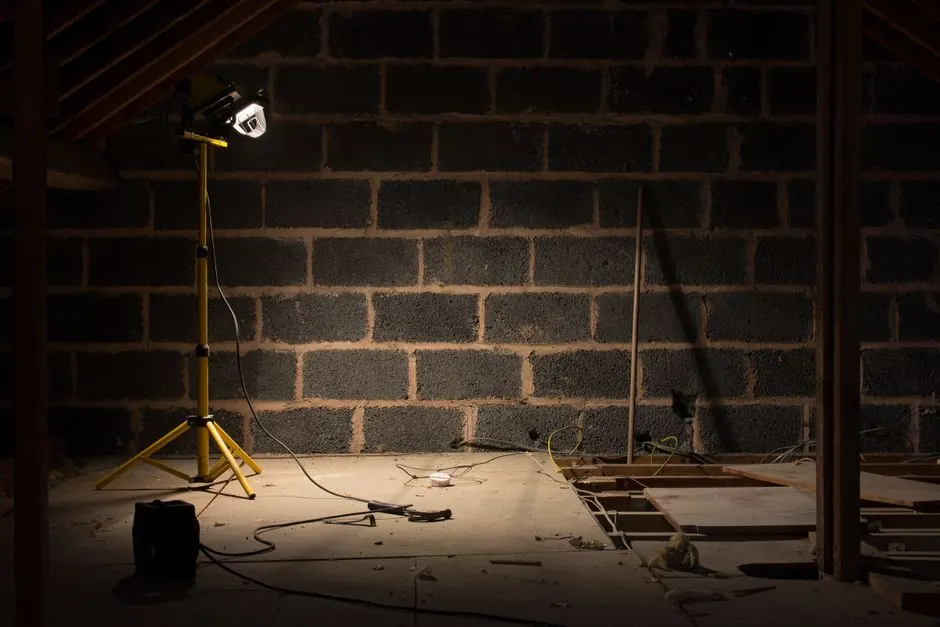
- Attic leak-related remediation — After a roof leak, we inspect the attic side to see whether sheathing, framing, or insulation is affected. In Landrum, a ceiling stain may not show the full wet boundary. We contain removal, clean materials that are sound, and wait for dry conditions before repair work closes the assembly.
- Bathroom and plumbing leak cleanup — A slow leak behind a tub, sink, or toilet can damage drywall and trim without an immediate puddle. We trace the affected area, coordinate correction of the leak, and remove material that cannot be cleaned reliably. Your bathroom is returned to a dry, repair-ready condition before new finishes go in.
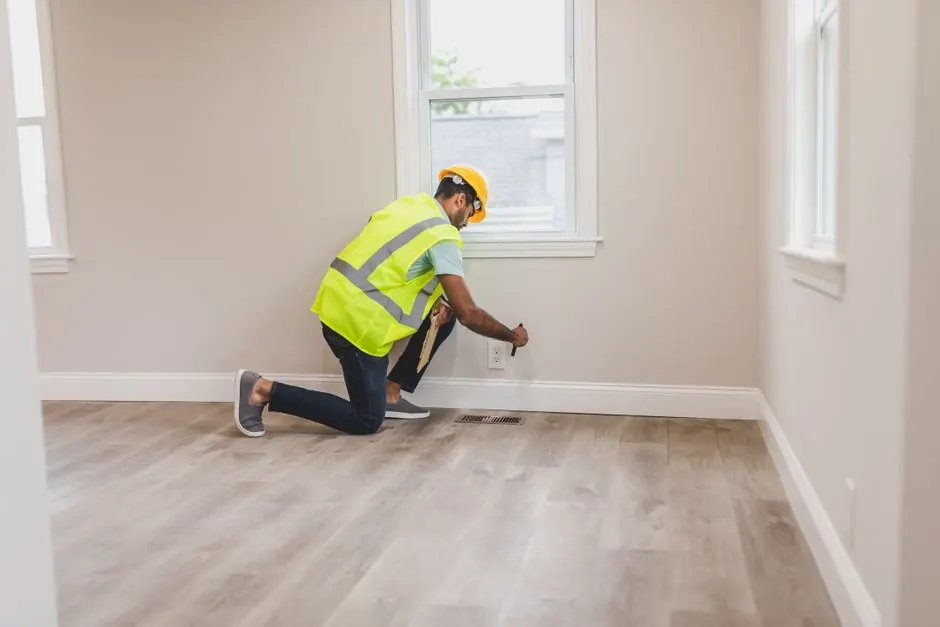
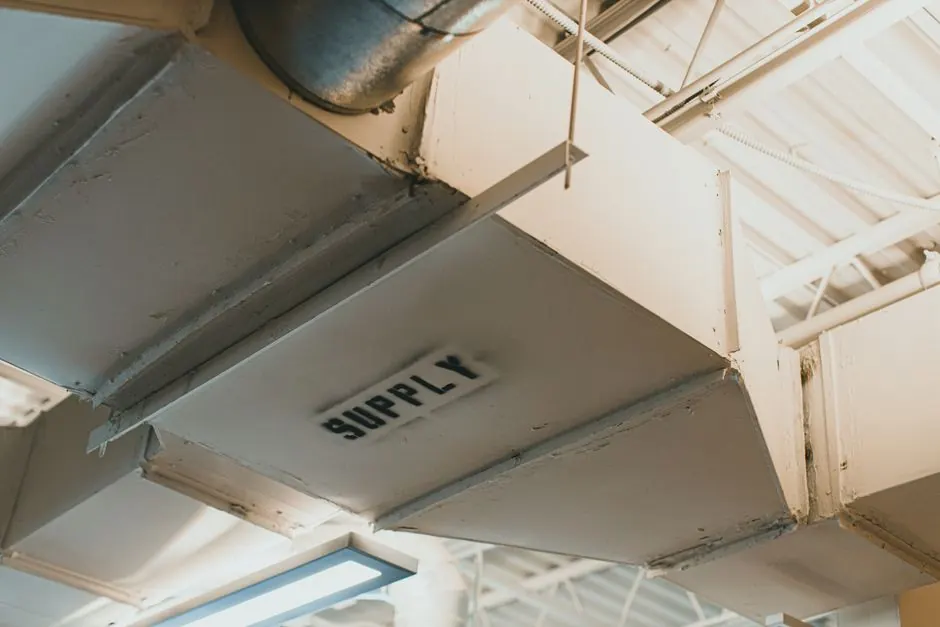
- Indoor humidity and HVAC assessment — If you notice odor near vents or repeated condensation, we inspect nearby surfaces and measure indoor conditions. A hygrometer helps identify humidity patterns, while material readings show whether the wall or trim is actually wet. We define the affected scope and identify system issues that need correction.