



Residential Mold Remediation for Woodruff Homes
Woodruff homes range from older houses near the town center to newer construction on residential roads. That mix affects how we inspect: older plumbing and roof repairs may leave hidden damp materials, while newer homes can still develop moisture problems around HVAC equipment, bathrooms, or crawl spaces. We ask where the water started, when you first noticed odor or staining, and whether any repairs have been completed. Then we check the affected room and connected areas before setting the removal and drying plan. Your household needs a clear work boundary. We explain what rooms remain usable, where equipment will sit, and which belongings should be moved. Residential mold removal is not complete until the moisture source is addressed and the affected materials are dry enough for repairs. We keep the sequence practical so you know what happens before the drywall, insulation, or trim is replaced.
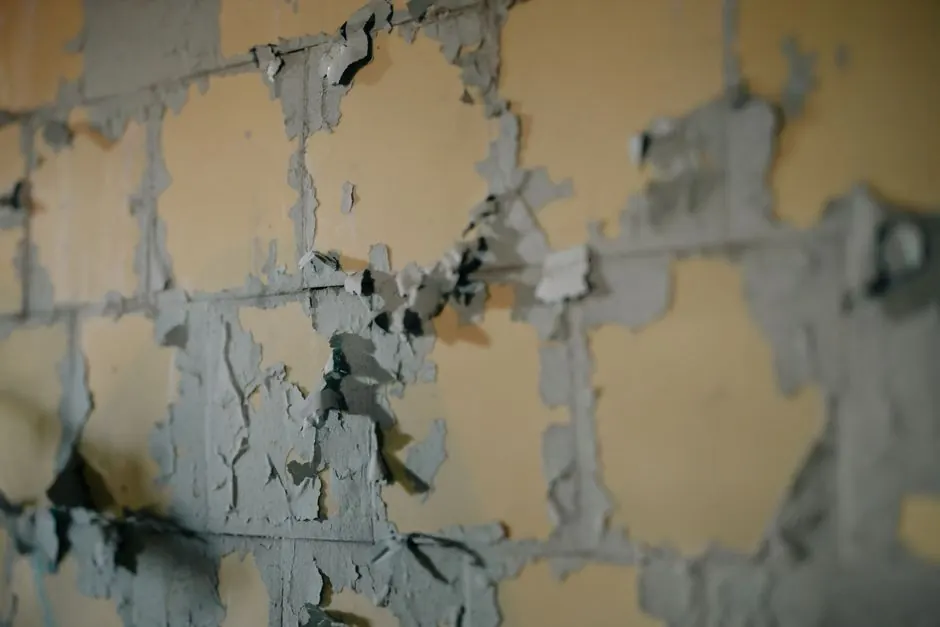
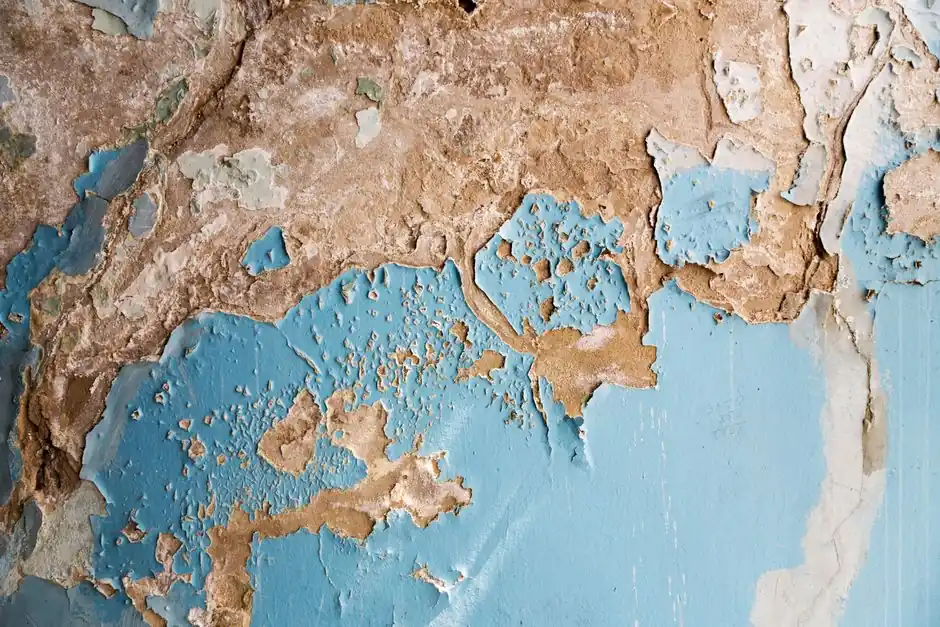
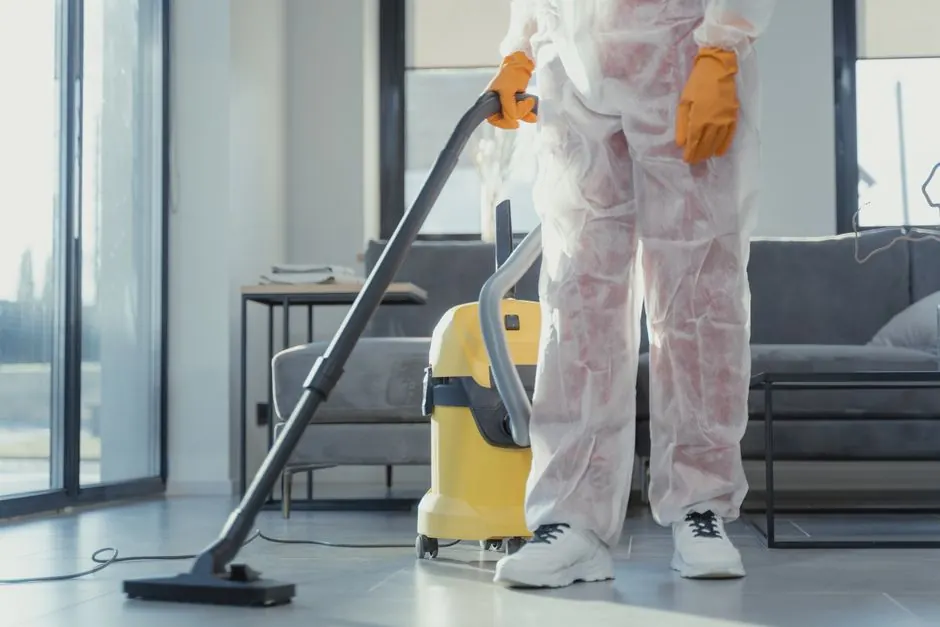
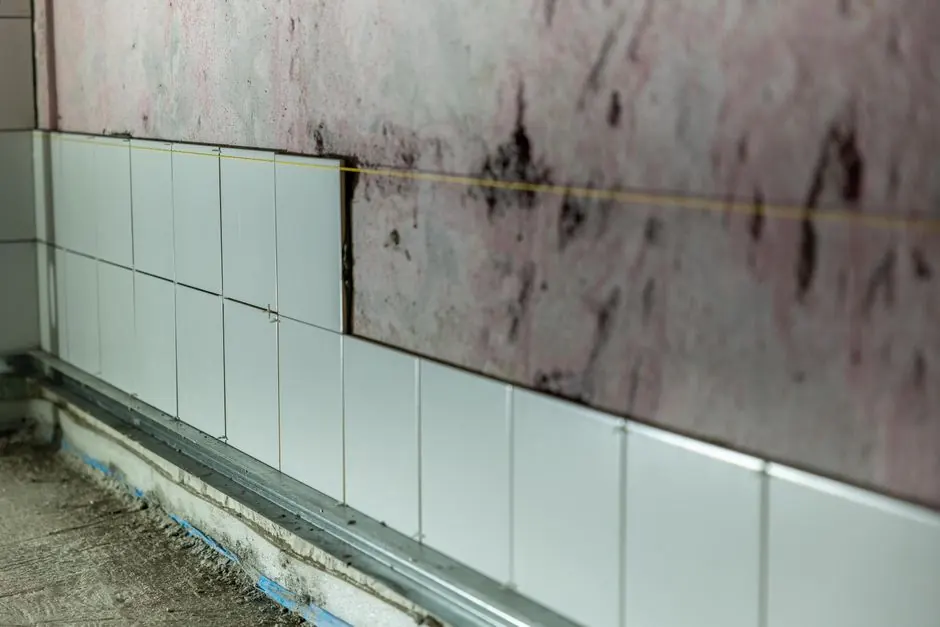
- Contained room mold removal — For a bedroom, bathroom, or utility room in Woodruff, we define the affected area and protect nearby surfaces before removal. We determine whether drywall or other porous material can be cleaned or needs to come out. Drying and source correction follow so the room is not simply covered over.
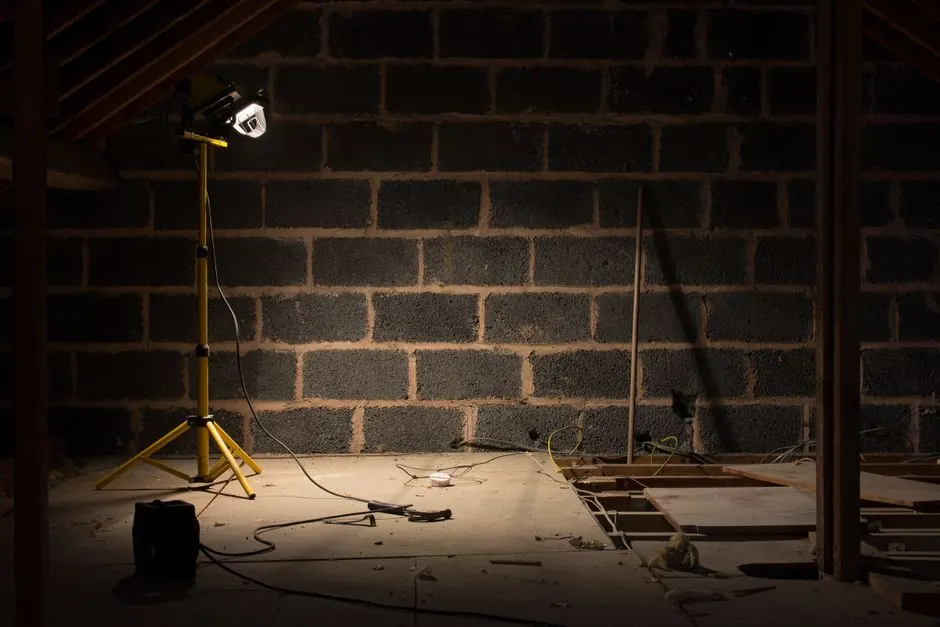
- Attic and ceiling leak cleanup — When a Woodruff ceiling stain follows a roof leak, we check the attic side for wet insulation and affected sheathing. We coordinate the cleanup sequence with roof repairs and dry the cavity before ceiling replacement. That approach helps prevent a fresh finish from concealing damp material.
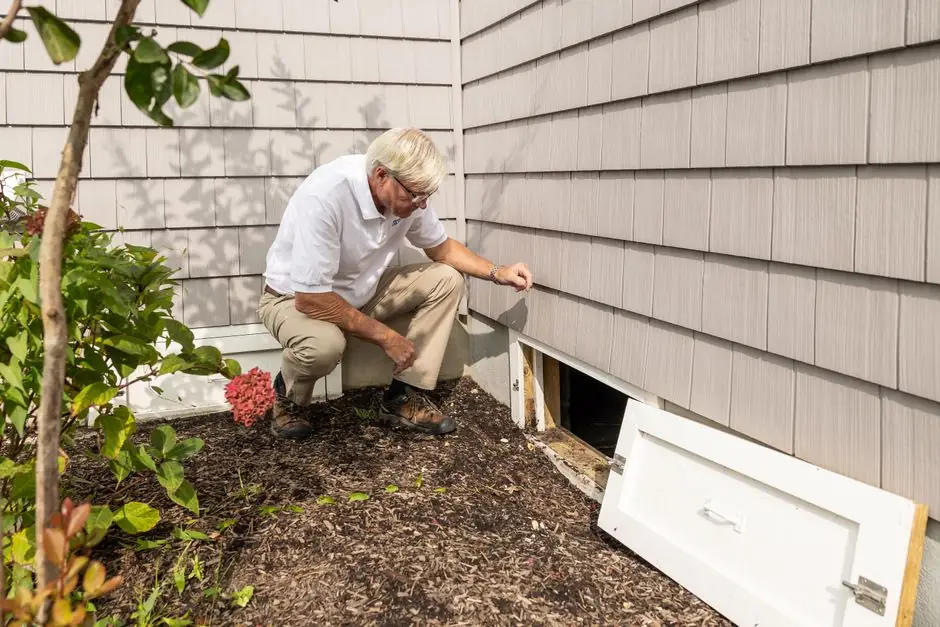
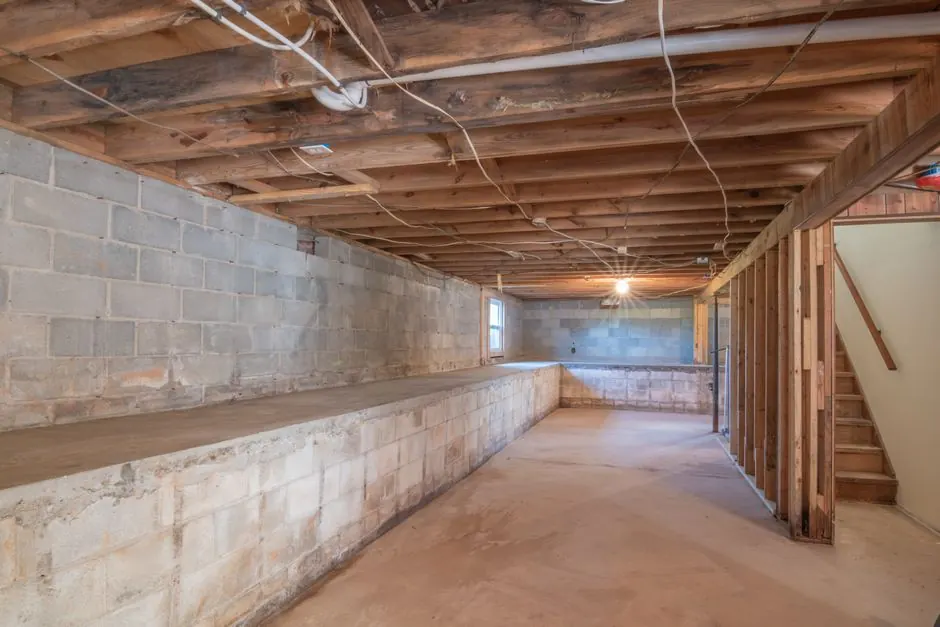
- Crawl-space moisture response — We inspect Woodruff crawl spaces for damp insulation, affected framing, and signs of water entry. Limited clearance changes how equipment and removed materials are handled, so we plan access before starting. The work includes identifying the moisture condition that needs correction, not only treating visible surfaces.
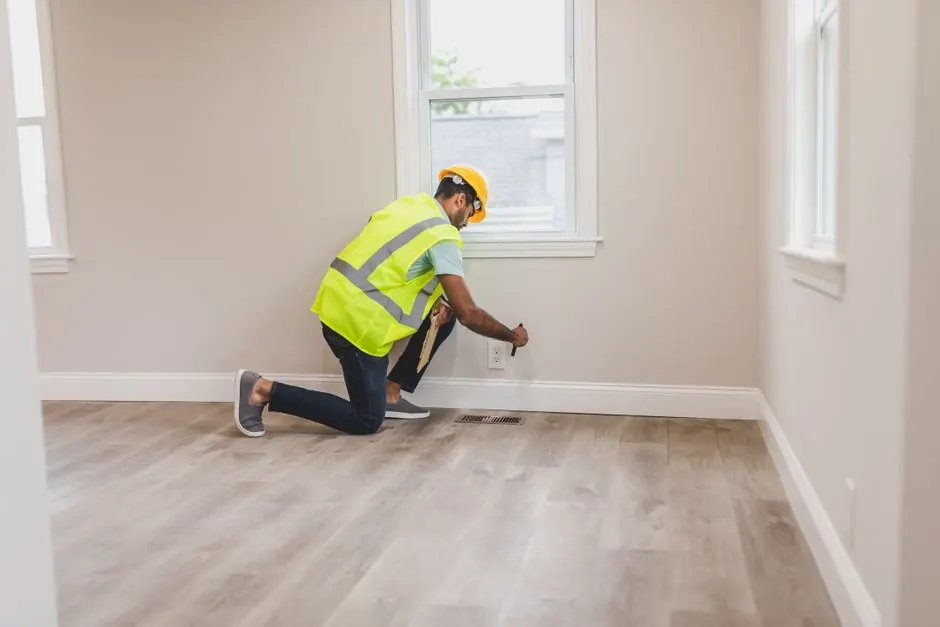
- Odor and hidden moisture assessment — If a Woodruff home smells musty but the source is not visible, we inspect adjoining rooms, plumbing areas, and accessible cavities. A moisture meter helps compare materials and narrow the search. We explain what the readings show and whether targeted opening or additional assessment is warranted.